Understanding Sleep & Energy Balance: What It Is and Isn’t
5 min read
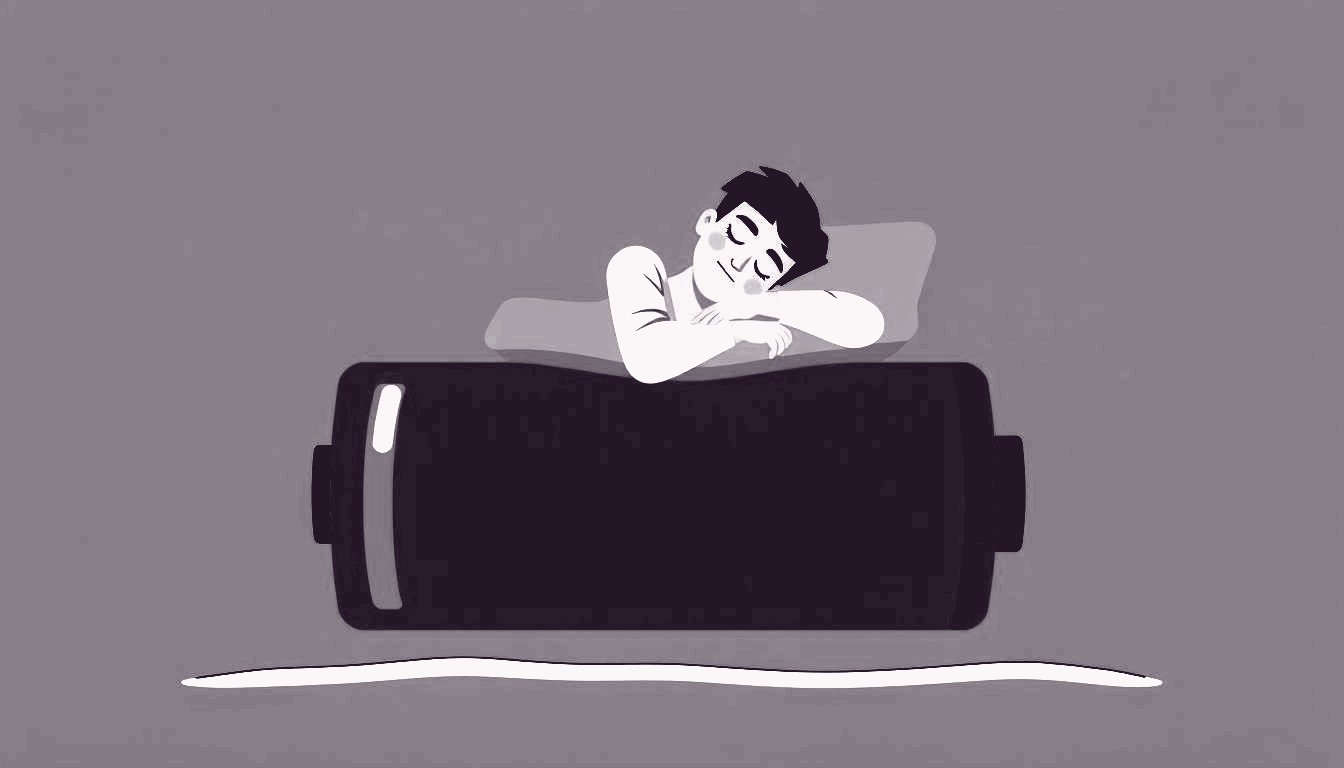
Many people feel tired even after a full night of sleep. They wonder if something is wrong or if they just need more rest. The answer is not always simple. Sleep and energy balance is a pattern that shows how well your body matches the hours you sleep with the energy you need during the day. Understanding this pattern can help you notice small changes before they become big problems.
What Sleep & Energy Balance Means
Sleep & energy balance describes the link between how long and how well you sleep and how much energy you have for daily tasks. When the two are in sync, you feel alert, focused, and able to handle stress. When they are out of sync, you may feel sluggish, irritable, or foggy even after a full night’s rest. This is not a medical diagnosis; it is a description of a normal, measurable pattern that varies from person to person.
The balance can shift over weeks or months. It is influenced by habits, environment, and health changes. Recognizing the balance helps you see when a small habit tweak might improve your overall feeling of vitality.
Common Triggers
Several everyday habits can tip the balance. Using screens late at night floods the brain with light, making it harder to fall asleep. Caffeine and other stimulants close to bedtime can delay sleep onset. High stress levels keep the nervous system activated, reducing deep sleep stages. All of these factors can lower the quality of sleep and drain daytime energy.
The sleep environment matters too. A room that is too bright, noisy, or warm can interrupt sleep cycles. Changes in health, such as a cold, hormonal shifts, or new medication, can also affect how rested you feel. Even irregular work schedules or frequent travel across time zones can disrupt the natural rhythm that supports a stable sleep‑energy balance.
Physical and Mental Signs You May Miss
Physical clues are easy to overlook. You might notice frequent yawning, heavy limbs, or a craving for sugary snacks in the afternoon. Sometimes you will need an extra cup of coffee just to stay awake, even though you slept enough hours. These signs point to a mismatch between sleep quality and the energy your body expects.
Take the short Sleep & Energy Balance self-assessment to learn more about your own patterns.
Take the Sleep & Energy Balance testMental signs can be subtler. You may experience a foggy mind, trouble finding words, or a short temper over small issues. Motivation to start projects can feel low, and you might avoid social activities that you usually enjoy. These mental cues often appear before you realize your sleep is not supporting your daily energy.
Gentle First Steps
Start with a simple bedtime routine. Turn off screens at least thirty minutes before bed and dim the lights. Aim to go to bed and wake up at the same time each day, even on weekends. A short walk after dinner can help lower stress and signal to your body that it is time to wind down.
Next, try a low‑effort self‑check. For one week, write down the time you go to bed, the time you wake up, and how you feel at three points during the day: morning, midday, and evening. Look for patterns where low energy follows nights of short or restless sleep. This quick journal can reveal simple adjustments that improve your balance without major changes.
How We Can Help
Sleep & Energy Balance is one of several measurable patterns we explore with a short self‑assessment.
The assessment takes only a few minutes and asks about your recent sleep habits and daily energy levels. It does not replace professional advice, but it can give you a clearer picture of where you stand. Use the results to focus on the small steps that match your lifestyle and needs.
Take the short Sleep & Energy Balance self-assessment to learn more about your own patterns.
Take the Sleep & Energy Balance test