Common Myths About Resilience & Coping
5 min read
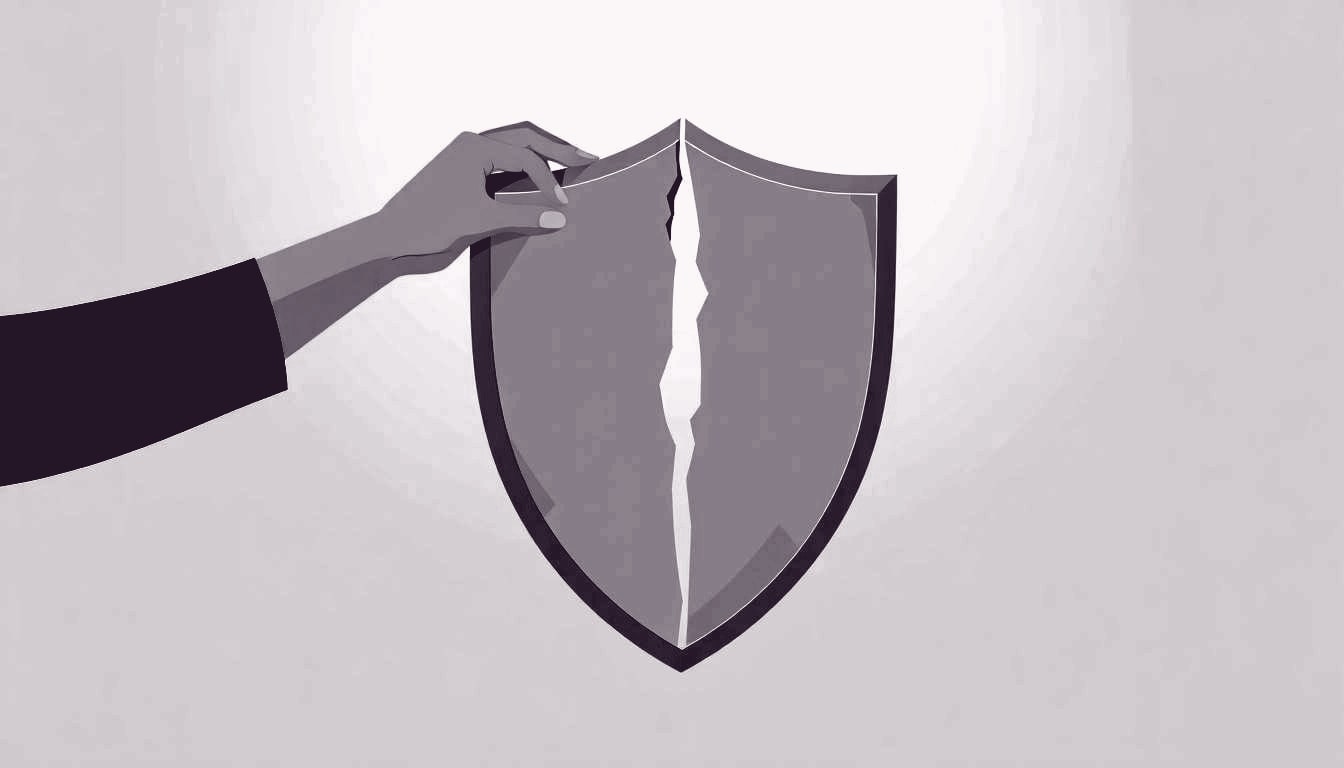
Resilience and coping are everyday tools that help us handle stress, change, and setbacks. Many people hear the terms and form ideas that sound true but can be misleading. Understanding what these concepts really mean can make it easier to develop them in a healthy way. Below we look at five common myths and replace them with clearer explanations that match what psychologists generally agree on.
These myths often suggest that resilience is a fixed trait or that coping means staying positive all the time. In reality, both resilience and coping are flexible skills that can be learned and adjusted as life changes. By clearing up misunderstandings, you can see where to focus your effort and where to ask for help without feeling judged.
Myth 1: Resilience means never feeling stress
A common belief is that resilient people never feel stress or anxiety. In fact, stress is a normal signal that the body uses to prepare for challenges. Resilient individuals still experience nervousness, worry, or frustration; they simply notice these feelings and choose ways to move forward. The key is not the absence of stress but the ability to recover and keep going after the feeling passes.
When you accept that stress is part of the picture, you can use it as a cue to practice coping tools. A quick breath, a short walk, or a brief conversation can lower the intensity. Over time, these actions build a habit of responding rather than being overwhelmed. That habit is what most psychologists refer to as resilience in everyday life.
One practical way to practice recovery is to set a tiny, doable goal after a stressful event. For example, after a tough meeting, you might decide to organize your notes for five minutes. Completing that short task gives a sense of control and signals that the situation is manageable. Repeating this habit builds confidence that you can handle the next challenge, even when emotions run high.
Myth 2: You are either resilient or you are not
Many think resilience is an all or nothing quality you either have or lack. Psychologists see it more as a set of skills that can grow with practice. Just like a muscle, the more you exercise coping strategies, the stronger your ability to bounce back becomes. Small successes, such as handling a busy day or learning a new skill, add up over time.
Because resilience can be developed, you can start with simple steps. Pick one coping habit, like writing a short note about what went well, and repeat it daily. Over weeks, you may notice that challenges feel less frightening. This gradual improvement shows that resilience is not a fixed label but a moving target you can influence.
Start small and let progress add up. Choose a coping skill that feels doable, like taking three deep breaths when you notice tension. Practice it at the same time each day so it becomes a routine. After a week, add another simple step, such as writing down one thing you handled well. Over weeks and months the collection of these tiny wins creates a stronger, more flexible resilience muscle.
Ready to explore your own resilience and coping style? Take the short assessment now.
Take the Resilience & Coping testMyth 3: Coping means only positive thinking
Some people assume coping is the same as staying upbeat all the time. In reality, coping includes a wide range of actions, thoughts, and emotions. It can involve problem solving, seeking advice, taking a break, or even feeling angry for a moment. All of these responses can help you manage a stressful situation.
Positive thinking is useful, but it is only one piece of the coping puzzle. When you acknowledge a difficult feeling instead of pushing it away, you give yourself a clearer view of what needs to change. Combining realistic thoughts with practical steps, such as making a to do list or talking to a trusted friend, creates a balanced coping plan.
A balanced coping approach blends optimism with realism. When you face a problem, first acknowledge what is hard, then ask yourself what small action could improve the situation. This two step method keeps you grounded while still moving forward. Over time you may notice that stressful moments feel shorter because you have a clear path to follow, rather than feeling stuck in vague worry.
Myth 4: Resilience is only needed after trauma
It is easy to think resilience only matters after a big crisis, like a loss or an accident. Psychologists point out that everyday pressures, such as work deadlines, relationship bumps, or health worries, also call for resilient responses. Building resilience during normal times makes it easier to face larger challenges later.
Because resilience works in daily life, you can practice it without waiting for a disaster. Simple habits like reflecting on what went well each night, keeping a short gratitude note, or setting realistic goals help your mind stay flexible. Over months, these habits create a buffer that smooths the impact of future stressors.
Everyday resilience can be nurtured through simple daily choices. Choose to get enough sleep, move your body, and eat foods that give steady energy. These physical habits support mental stamina, making it easier to stay calm when surprises arise. Also, set aside a few minutes each day to reflect on what you handled well. This reflection reinforces the idea that you have the tools to manage life’s ups and downs.
Myth 5: You must handle everything alone
A frequent myth says that asking for help shows weakness. In fact, seeking support is a core part of resilient coping. Talking to friends, joining a group, or consulting a professional provides new perspectives and emotional relief. Sharing the load can prevent feelings of isolation and keep you moving forward.
Remember that resilience is not a solo sport. This trait is one of several measurable patterns this site has a short self assessment for. By answering a few easy questions, you can see where your coping style is strong and where you might want to try new strategies. Knowing your own pattern can guide the next steps you take toward a more balanced life.
Taking the first step toward stronger coping often feels uncertain, but a short questionnaire can give you a clear picture of where you stand today. Answering honestly helps you spot patterns you might not notice otherwise. With that insight, you can pick one new coping habit to try this week, such as a brief walk after a stressful call. Small, consistent actions add up, leading to a more resilient outlook over time.
Ready to explore your own resilience and coping style? Take the short assessment now.
Take the Resilience & Coping test