One Simple 5-Minute Habit to Lower Stress Before Bed
4 min read
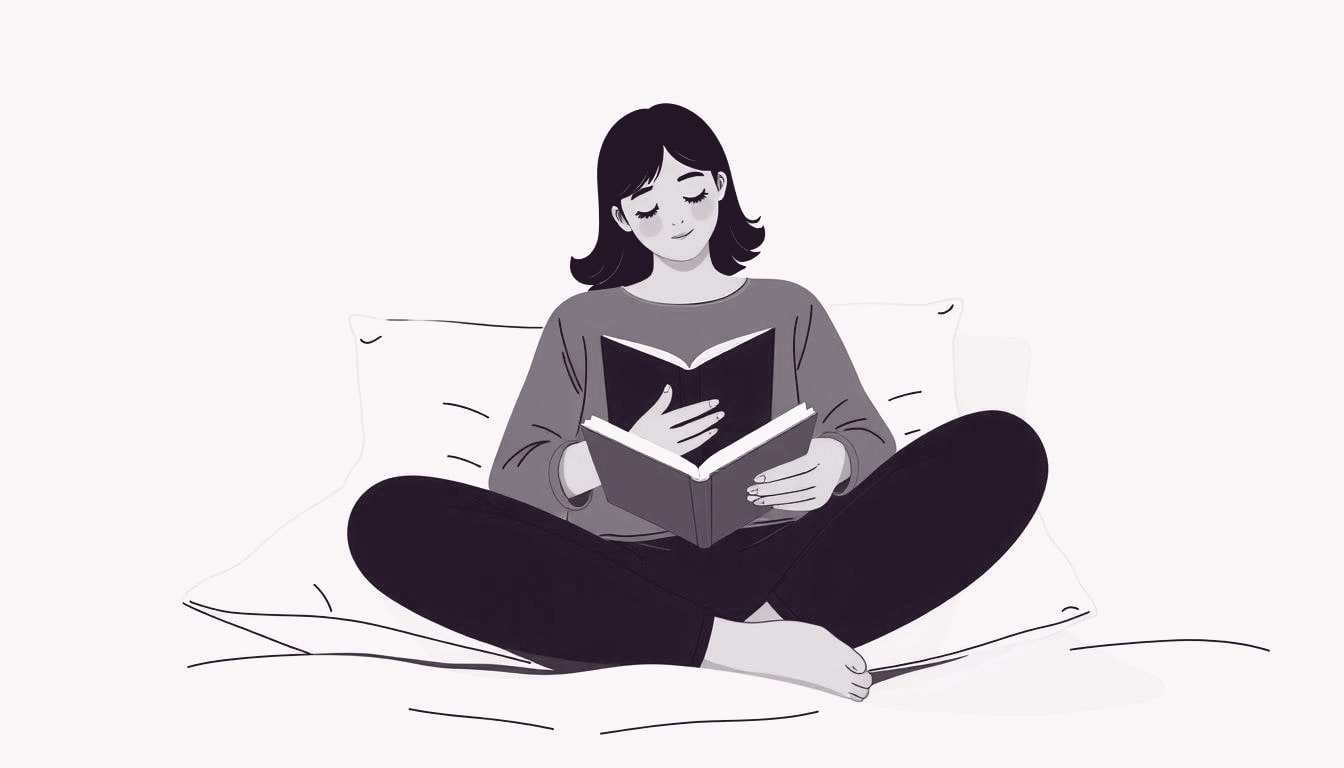
Many people feel their mind race as they get ready for sleep. Work worries, news, or a busy day can keep the brain active. When stress stays high at night, falling asleep becomes harder. A restless mind can also lower the quality of the rest you get. Small changes to your bedtime routine can send a clear signal to your body that it is time to wind down. This article shows a short habit that can help you lower stress and improve sleep. When the brain stays alert, you may toss and turn for hours.
The habit takes only five minutes and uses three easy steps. First, you dim the lights in your room. Next, you do a gentle stretch that relaxes the muscles. Finally, you write a short note about something you are grateful for. Each part works together to calm the nervous system. The routine is simple enough to fit into any evening schedule. By doing it every night, you create a consistent cue that tells your body it is safe to rest. You can keep a small notebook nearby so the note is ready.
Why a Simple Nightly Routine Helps
Your body follows a natural clock called the circadian rhythm. When the day ends, the brain releases less cortisol, the stress hormone, and more melatonin, the sleep hormone. A quiet, dim environment supports this shift. By dimming the lights, you reduce visual input that can keep the brain alert. Gentle stretching lowers muscle tension and improves blood flow, which also tells the nervous system to relax. Adding a gratitude note moves your thoughts toward positive feelings, which can lower anxiety before sleep. This combination can lower cortisol levels a little before bed. A calmer brain also helps memory consolidation during sleep.
Doing the same steps each night builds a mental cue. Your brain learns that these actions mean bedtime is near. Over time the cue can speed up the transition from wakefulness to sleep. This pattern also reduces the chance of scrolling on a phone or checking email, habits that can raise stress. A short, predictable routine gives you control over the end of the day, which itself can lower feelings of overwhelm.
Step 1: Dim the Lights
Start by lowering the brightness in your bedroom. Turn off overhead lights and switch to a bedside lamp with a warm bulb. If you use electronic devices, activate a night mode or lower the screen brightness. Soft light tells the eyes that it is time to rest. It also reduces the signal to the brain that it should stay alert. Even a small change in illumination can help the body start to produce melatonin.
Do this dimming step about 30 minutes before you plan to sleep. Give your eyes a chance to adjust. During this time you might read a paper book or listen to calm music. Avoid bright TV shows or fast-paced videos. The goal is to create a gentle transition from the bright activities of the day to a softer environment that prepares the mind for rest.
Ready to see how stress is affecting you? Take the Stress & Burnout assessment now.
Take the Stress & Burnout testStep 2: Gentle Stretching
After the lights are dim, stand or sit comfortably and move through a few easy stretches. Reach your arms overhead and stretch toward the ceiling. Roll your shoulders backward three times. Gently bend forward to touch your toes, keeping the knees soft. Sit on the floor and extend one leg, reaching toward the foot. Hold each stretch for about ten seconds and breathe slowly. The movements loosen tight muscles and release tension that often builds up during the day.
Stretching also helps the nervous system shift from a fight-or-flight mode to a rest-and-digest mode. Slow, controlled movements send signals that the body is safe. Breathing deeply during each stretch adds oxygen and calms the heart rate. This combination can lower cortisol levels a little before bed. When the body feels physically relaxed, the mind finds it easier to let go of lingering worries. You might notice a slower heartbeat and deeper breathing as you stretch.
Step 3: Write a Gratitude Note
The final part of the habit is a brief gratitude note. Keep a small notebook by your bed or use a notes app on your phone. Write down one or two things you appreciated today. They can be big, like a promotion, or small, like a warm cup of tea. Keep the entry short, just a sentence or two. The act of recording gratitude moves your focus away from stress and toward what went well.
Research shows that gratitude can lower stress hormones and improve mood. When you end the day with a positive thought, you give your brain a gentle cue to relax. This short practice also builds a habit of noticing good moments, which can protect you from burnout over time. Keep the note simple and honest; the goal is to end the night on a calm, hopeful note. Over time this practice can become a natural part of your evening routine.
Track Your Progress with a Quick Test
The habit you just learned is one of several measurable patterns this site has a short self-assessment for. By answering a few questions, you can see how stress and burnout are affecting your daily life. The Stress & Burnout assessment gives you a snapshot of your current level and suggests areas to work on. It can also help you notice if the new bedtime routine is making a difference over weeks. Seeing your scores improve can be encouraging and reinforce the habit.
Keep the three steps consistent for at least a week and notice any changes in how quickly you fall asleep. You may find that you wake up feeling more rested and less anxious. Pairing the habit with regular check-ins using the stress test can keep you motivated and aware of your progress. Small daily actions add up, and over time they can create a calmer mind and better sleep.
Ready to see how stress is affecting you? Take the Stress & Burnout assessment now.
Take the Stress & Burnout test