What Keeps Nurses Going When Burnout Hits
7 min read
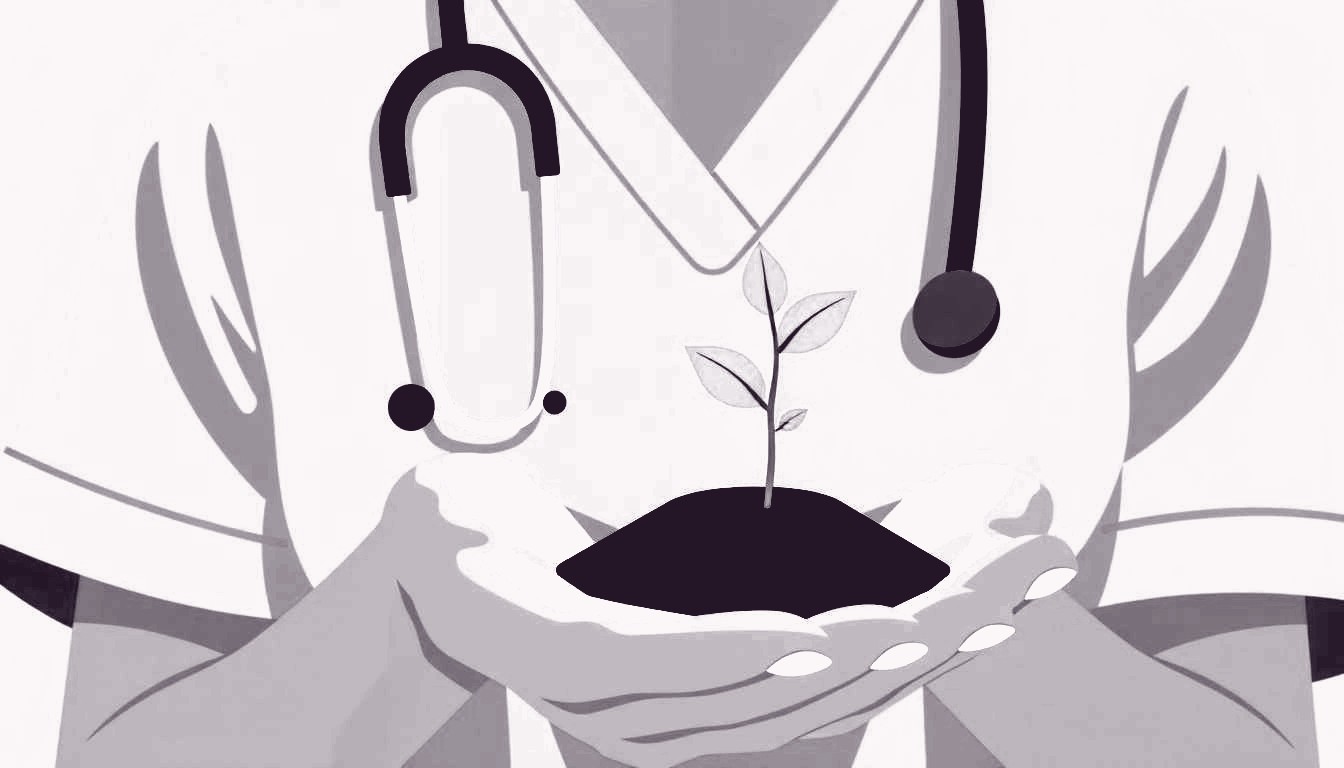
Nursing is a demanding job. Long hours and fast pace are part of daily life. When the pressure builds, many nurses feel exhausted. Burnout can show up as fatigue, loss of interest, or a sense of being stuck. It does not mean a nurse is weak. It is a response to chronic stress. Understanding how burnout looks helps us see ways to cope. This article looks at the shape burnout takes for nurses. It also explores why some nurses find the strength to keep going. The goal is to offer hope and practical ideas.
The nursing profession faces unique stressors. Shift work disrupts sleep and family time. Emotional labor requires constant compassion, even after difficult events. Short staffing adds extra tasks and responsibility. These factors combine to create a heavy load. Some nurses manage the load and recover. Others start to withdraw quietly. The difference often lies in personal resources and support. By looking at common patterns, we can spot early signs. We can also learn habits that protect motivation. Let’s explore the details of burnout and the paths that lead back to engagement.
How Burnout Shows Up on the Floor
Nurses often work rotating shifts. Night shifts flip the body clock. Early mornings cut into sleep. Long stretches of time on the unit leave little room for rest. Fatigue builds day by day. Physical tiredness can turn into mental fog. When a nurse feels constantly drained, it is a sign of burnout. The unpredictable schedule also makes it hard to plan personal activities. This can isolate the nurse from friends and family. Isolation adds to the feeling of being stuck. Recognizing these signs can prompt a change in routine.
Every patient brings a story. Nurses listen, comfort, and sometimes share grief. Repeated exposure to pain can wear down emotional reserves. Compassion fatigue is a common outcome. It feels like caring has become a chore. Nurses may start to detach from patients to protect themselves. Detachment can feel like loss of purpose. The pressure to stay professional adds stress. When the emotional load is high, motivation drops. Simple moments of kindness become harder to notice. Being aware of emotional strain is the first step toward relief.
When Staffing Gaps Add Pressure
Many hospitals operate with fewer staff than needed. When a shift is short, each nurse picks up extra duties. Tasks that would be shared become solo work. This increases the pace and reduces time for each patient. Mistakes become more likely, raising anxiety. The nurse may feel responsible for the whole unit. That feeling of being overburdened fuels burnout. Short staffing also means fewer breaks. Missing a break can amplify exhaustion. Seeing the unit run thin can erode confidence. Understanding this link helps managers plan better staffing.
Understaffed units can create unsafe conditions. A nurse may worry about missing a critical sign. Moral distress grows when the nurse cannot give the care they believe is right. This conflict adds emotional weight. The nurse may question their role. Over time, this doubt can turn into disengagement. Feeling unsafe also harms teamwork. Trust in colleagues drops. When trust fades, support fades. The cycle can push a nurse toward quiet withdrawal. Recognizing moral distress early can open doors to conversation and support.
Take the Burnout & Motivation test to learn how you can stay energized.
Take the Burnout & Motivation testFinding the Spark That Keeps Nurses Going
Many nurses stay because they love helping people. A single positive patient outcome can lift spirits. Remembering why they entered the field fuels resilience. Small moments, like a grateful smile, can spark energy. Reflecting on these moments builds a sense of purpose. Purpose acts like a buffer against stress. Nurses who keep a purpose journal often notice more good days. Sharing stories with peers reinforces that purpose. It reminds them that their work matters. This connection to meaning can sustain motivation even in tough weeks.
Support from coworkers makes the load lighter. Team huddles provide a chance to voice concerns. A mentor can model coping strategies. When nurses feel seen, they are less likely to withdraw. Peer groups allow sharing of tips for quick breaks. Simple gestures, like a coffee break together, boost morale. Mentors can guide career growth, adding hope. Support networks also help nurses ask for help when needed. Knowing someone has your back reduces isolation. Building these relationships creates a safety net that catches burnout before it spreads.
What Separates Recovery from Disengagement
Recovery often starts with small self‑care habits. A short walk after a shift can clear the mind. Setting clear work‑life boundaries protects personal time. Nurses who say no to extra overtime protect their energy. Journaling about feelings helps process stress. Regular sleep, even on night shifts, supports brain function. Nutrition and hydration also play a role. When these habits are consistent, the mind feels steadier. In contrast, neglecting self‑care can lead to chronic disengagement. The difference is often a matter of routine. Building a personal care plan can shift the balance toward recovery.
This trait is one of several measurable patterns this site has a short self‑assessment for.
Practical Steps to Re‑ignite Motivation
Start each shift with a brief breathing exercise. It sets a calm tone. Take micro‑breaks whenever possible; even a minute of stretching helps. Keep a pocket notebook to note positive moments. Review the notes at the end of the week. Celebrate small wins, like a smooth medication round. Schedule at least one activity outside work each week. It could be a hobby, a walk, or a call with a friend. Consistent rest improves mood and focus. These tiny steps add up to bigger resilience over time.
If stress feels overwhelming, consider talking to a counselor. Many workplaces offer employee assistance programs. Professional counseling provides tools to manage thoughts. Look for workshops on stress reduction or time management. Continuing education can renew a sense of growth. Learning new skills reminds nurses why they love the field. Peer support groups also offer a safe space to share. Ask a supervisor about flexible scheduling options. Accessing these resources shows strength, not weakness. Taking action signals a commitment to stay engaged.
Take the Burnout & Motivation test to learn how you can stay energized.
Take the Burnout & Motivation test