How Motivation Style Affects Your Loved Ones
3 min read
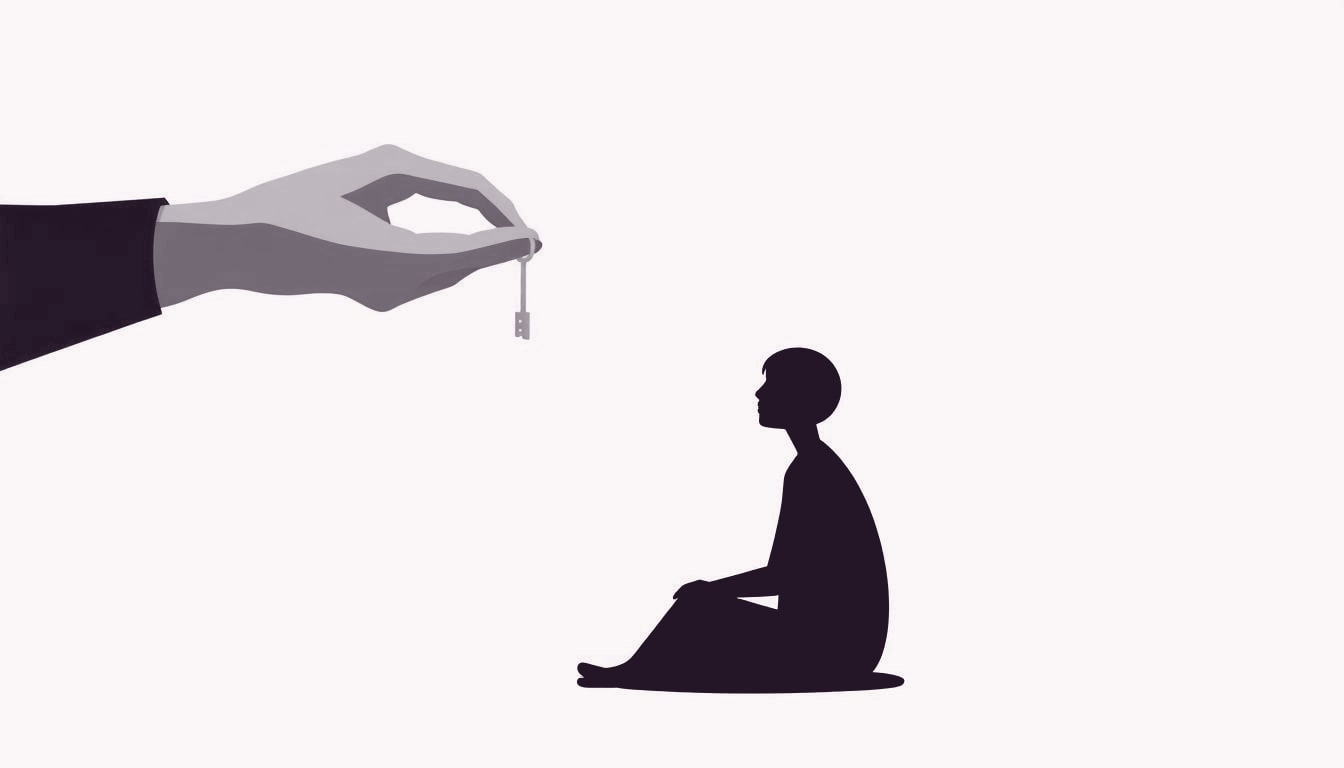
Motivation style is the way a person gets energy to act. Some people feel driven by goals, others by caring for others, and still others by excitement. The style is a habit, not a choice. It shows up in everyday moments. When you notice a pattern, you can understand why you or someone else reacts a certain way.
In close relationships the pattern can feel strong. A partner may think you are lazy, a friend may think you are distant, a parent may think you are stubborn. All of those thoughts come from different motivation styles meeting each other. Seeing the pattern can reduce frustration and open a path to clearer talk.
Motivation style with a partner
Imagine a Saturday morning. Alex wants to finish a home project before the weekend ends. Sam prefers to relax and enjoy a slow breakfast together. Alex’s style is goal‑oriented, so the unfinished project feels like a failure. Sam’s style is relationship‑focused, so the same task feels like a barrier to connection. The same hour of time becomes a point of tension because each partner values a different source of energy.
When Alex sees Sam’s calm mood as a lack of ambition, frustration rises. When Sam sees Alex’s urgency as pressure, anxiety grows. Both partners are acting from a true inner drive, but they read each other’s actions through their own lens. Recognizing that the pattern is about motivation, not effort, can help them find a middle ground, such as setting a short work window and then sharing a relaxed meal.
Motivation style with close friends
A group of friends plans a weekend hike. Maya is excited about the challenge and wants to push for a steep trail. Jordan is more interested in the chance to chat and take pictures along a gentle path. Maya’s style leans toward achievement, while Jordan’s leans toward social connection. The same hike becomes a debate about difficulty versus enjoyment.
Maya may feel that Jordan is not taking the adventure seriously. Jordan may feel that Maya is ignoring the fun of being together. The conflict is not about who is right, but about which motivation each friend is following. By naming the styles, the group can choose a mixed route that offers a short climb and a flat stretch for conversation, satisfying both drives.
Take the Motivation Style assessment to learn more about how you and your loved ones can work together.
Take the Motivation Style testMotivation style with family
During a family dinner, Luis wants to discuss future plans and set new goals. His sister, Priya, prefers to share stories about the day and keep the mood light. Luis’s style is future‑focused, while Priya’s is present‑focused and relationship‑oriented. The same conversation can feel like pressure to one and like a missed chance to bond to the other.
If Luis pushes for a goal talk, Priya may withdraw or change the subject. If Priya stays in story mode, Luis may feel unheard. Both are acting from a real inner pattern. A simple pause to ask, “Would you like to talk about plans now or later?” can respect each style and keep the dinner calm.
Why the same pattern feels different to others
The same motivation style can look good to one person and bad to another. A goal‑driven person may seem ambitious to a partner who values harmony. The partner may see the same behavior as aggressive. The difference comes from the partner’s own style. When both people understand that each style is a natural way of gaining energy, they stop labeling the other as lazy or demanding.
Seeing the pattern as a neutral habit also helps you step back. You can ask, “What is the need behind this action?” The answer often points to a motivation style. This simple question turns blame into curiosity and opens space for empathy.
Talking about motivation style together
Start a conversation with a calm invitation. Say, “I’ve noticed we sometimes clash about plans. I think it might be our motivation styles. Can we share what drives us?” Let each person describe what feels energizing. Listen without interrupting. Summarize what you heard to show you understood. Then suggest a small experiment, such as planning one activity that matches both styles.
Remember that this trait is one of several measurable patterns this site has a short self‑assessment for. The assessment can give you a clear label for your style, making the talk easier. When you both know your patterns, you can choose language that respects each other’s drive.
Take the Motivation Style assessment to learn more about how you and your loved ones can work together.
Take the Motivation Style test