Common Myths About Mindfulness Level
3 min read
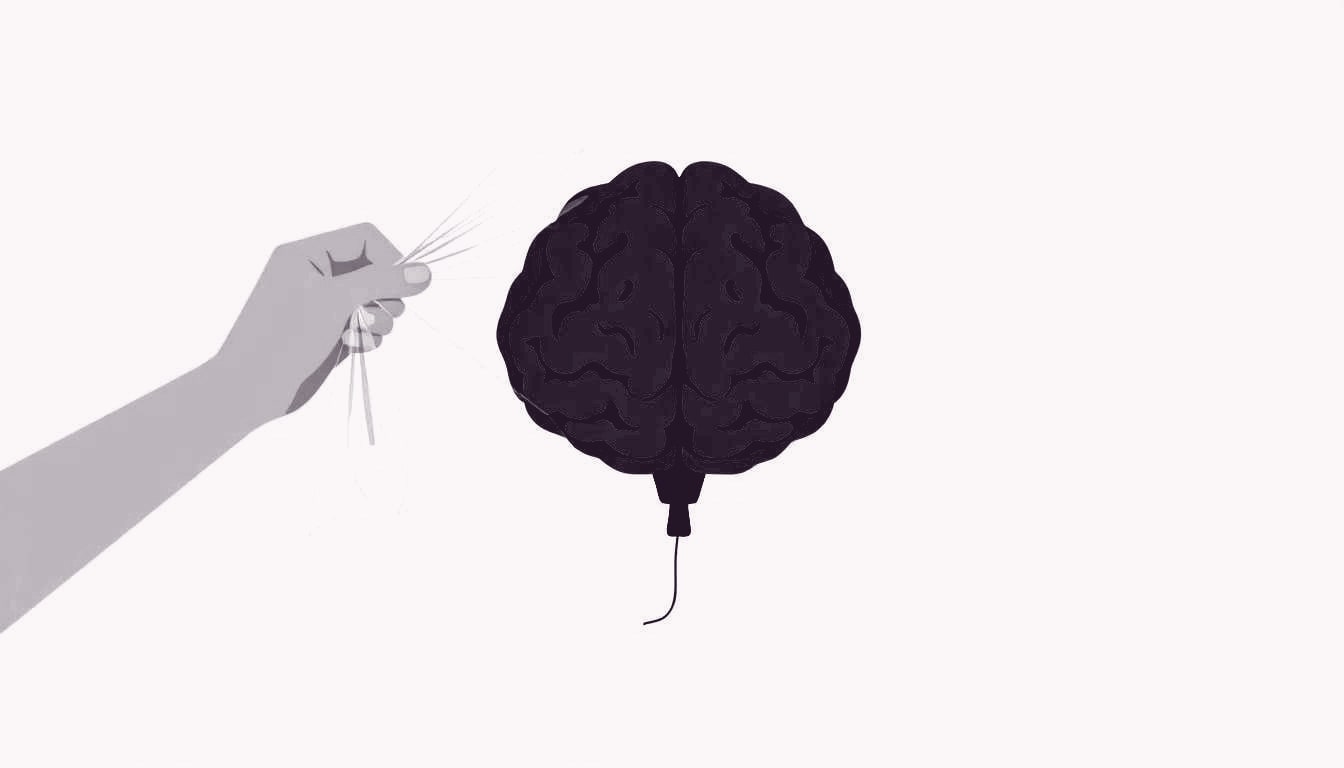
Many people hear the word mindfulness and think they already know what it means. Some ideas are helpful, but others are based on misunderstanding. When myths go unchecked, they can stop people from trying useful habits. This article looks at five popular myths about mindfulness level. It explains what psychologists generally understand about each point. The goal is to give clear, simple information so you can decide what works for you.
Clearing up false ideas can make it easier to practice mindfulness in everyday life. You do not need special training or a perfect environment. Simple changes can still build awareness and calm. By looking at each myth, you can see where the truth lies and how it fits into daily routines.
Myth 1: Mindfulness means an empty mind
A common belief is that mindfulness requires a blank mind, like a still pond with no ripples. In reality, psychologists describe mindfulness as paying attention to what is happening in the present, without judging it. Thoughts, feelings, and sensations are all part of the experience. The practice is about noticing them, not pushing them away. When you let thoughts pass without labeling them as good or bad, you stay grounded in the moment.
Trying to force the mind to be empty often creates frustration. It can feel like a failure when thoughts appear. Instead, notice a thought, name it, and let it drift. This gentle approach builds a habit of observing rather than controlling, which is the core of mindfulness.
Myth 2: You must meditate for long periods
Many think that mindfulness only works if you sit still for an hour or more each day. Psychologists point out that the quality of attention matters more than the length of time. Short, frequent moments of awareness can be just as effective. Even a few breaths taken while waiting in line can count as mindfulness practice. The key is consistency, not duration.
If you try to schedule long sessions and miss them, you may feel discouraged. Start with two or three minutes and notice how it feels. Gradually add a minute or two as you become comfortable. Over time, these brief pauses add up and strengthen your ability to stay present.
Ready to see where you stand? Take the short Mindfulness Level test now.
Take the Mindfulness Level testMyth 3: Mindfulness is only for spiritual or religious people
Some associate mindfulness with meditation traditions that have spiritual roots. While those traditions exist, psychologists treat mindfulness as a secular skill that anyone can learn. It does not require belief in any particular faith or philosophy. The practice focuses on attention and acceptance, which are human abilities, not religious requirements. People from many backgrounds use mindfulness to manage stress, improve focus, and support relationships.
Because it is presented as a neutral tool, mindfulness can fit into daily life without changing personal beliefs. You can practice while walking, cooking, or working. The flexibility makes it accessible to anyone who wants to develop greater awareness.
Myth 4: High mindfulness means you never feel stress
A popular myth is that a high mindfulness level protects you from all stress. Research shows that even people who are very mindful still experience stress, anxiety, or sadness. Mindfulness does not erase emotions; it changes how you relate to them. When you notice a stressful feeling without immediately reacting, you can choose a calmer response. This can reduce the impact of stress, but it does not eliminate the feeling entirely.
Understanding that stress is a normal part of life helps keep expectations realistic. Mindfulness offers tools to handle stress better, not a guarantee of a stress‑free life. Accepting this balance can make the practice feel more honest and useful.
Myth 5: Mindfulness level cannot be measured
People often think mindfulness is too vague to assess with a score or questionnaire. Psychologists, however, have created reliable ways to capture patterns of attention and acceptance. These measures look at how often you notice thoughts, how you treat them, and how present you feel in daily activities. On this site, mindfulness level is one of several measurable patterns we offer a short self‑assessment for. The quiz gives you a snapshot of your current habits and suggests simple steps to improve.
The assessment is not a diagnostic tool, but it can highlight areas where you might want to focus. It takes only a few minutes and provides feedback that is easy to understand. Using this information can help you set realistic goals and track progress over time.
Ready to see where you stand? Take the short Mindfulness Level test now.
Take the Mindfulness Level test