Common Myths About Introversion and Extroversion
4 min read
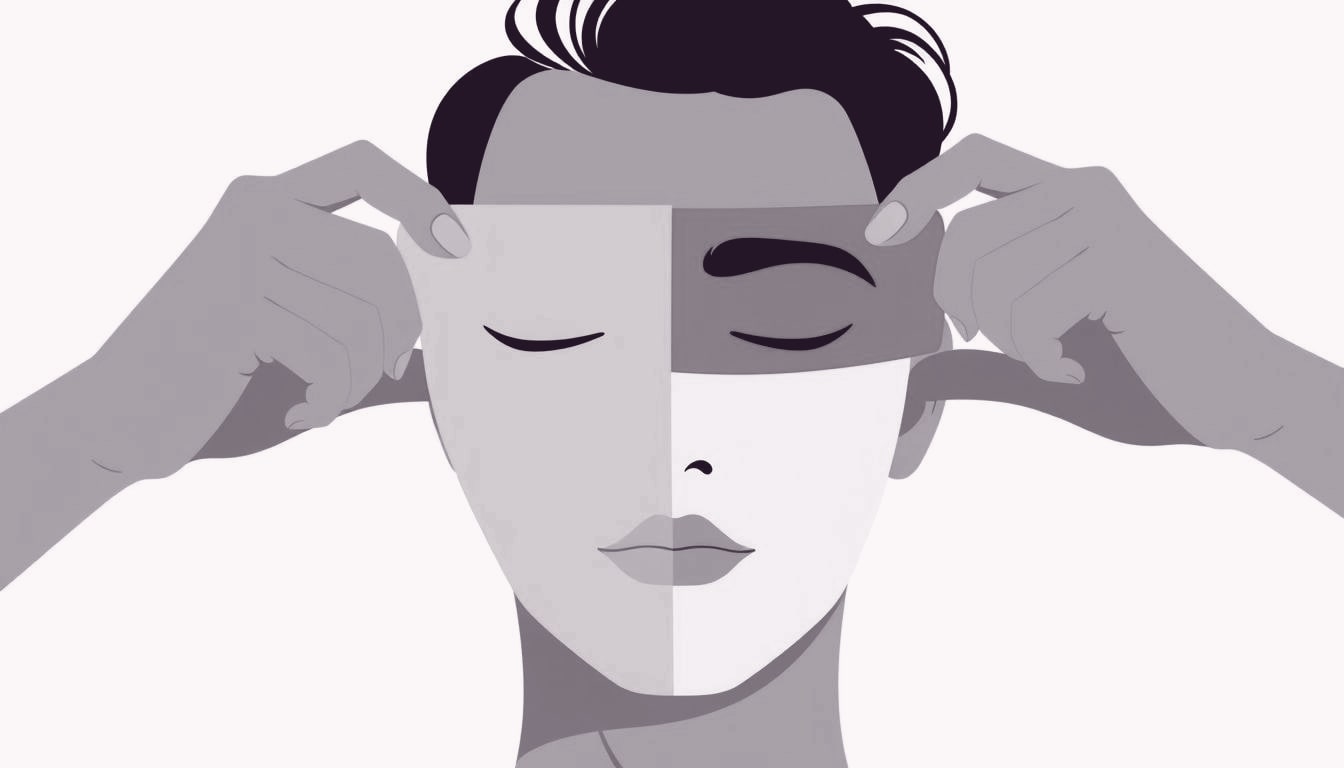
Many people think they know what introversion and extroversion mean, but the ideas often mix fact with fiction. These two styles describe where we get energy and how we prefer to interact, not a fixed label that limits us. They shape how we feel in social settings, how we recharge, and how we process information. Understanding the real meaning helps us avoid stereotypes and improves how we relate to friends, coworkers, and family members. It also makes it easier to see our own strengths.
Myth 1: Introverts are shy and antisocial
Many people link introversion with shyness, assuming a quiet person avoids social contact because they are afraid. In reality, shyness is about fear of judgment, while introversion is about where energy comes from. An introvert may love deep conversations, but they often feel drained after large, noisy gatherings. They choose to spend time alone or with a small group to recharge, not because they dislike people. This difference means introverts can be very friendly, just on their own terms. Their quiet style is simply a personal preference.
Because introverts prefer depth over breadth, they often listen more than they speak. That habit can be mistaken for aloofness, but it usually reflects thoughtful processing. In a meeting, an introvert may wait before sharing ideas, which can lead to valuable insights that surface later. Recognizing this pattern helps teammates value the quiet contributions instead of overlooking them. Remember, the lack of constant chatter does not equal a lack of interest or ability to connect. They simply choose to speak when they feel the moment is right.
Myth 2: Extroverts never need alone time
Extroverts are often pictured as people who thrive on constant interaction. While they do gain energy from social settings, they also need periods of solitude to process thoughts and reset. After a busy day, an extrovert might enjoy a quiet walk or a short break to sort out ideas. Without that downtime, they can feel overwhelmed just like anyone else. The key is balance: social input fuels them, but reflection fuels their next round of engagement. Even the most outgoing people schedule moments to recharge.
Because the need for solitude is less obvious in extroverts, friends may assume they are always “on.” This can lead to pressure to keep social plans going even when the person feels tired. Respecting an extrovert’s request for a short break does not diminish their social nature; it simply acknowledges their human need for mental space. When they return, they often bring fresh enthusiasm and clearer focus, benefiting the whole group. Giving them that space shows you value their well‑being as much as the fun they bring.
Discover your own style by taking the short introversion‑extroversion quiz today
Take the Introversion/Extroversion testMyth 3: You are either one or the other
A common shortcut says you are either an introvert or an extrovert, with no middle ground. Psychologists actually see these traits as points on a continuum. Most people fall somewhere between the two ends and may act differently in various situations. For example, a person might feel energized by a small team meeting but drained by a large party. Recognizing this spectrum helps us avoid labeling and allows more flexible self‑understanding. You can be more outgoing at work and more reserved at home, and that is perfectly normal.
Because introversion and extroversion sit on a spectrum, this site offers a short self‑assessment to help you see where you land. This trait is one of several measurable patterns we explore, each with its own quick quiz. The results give you a simple snapshot, not a label, and can point you toward ideas for work, study, or relationships. Taking the quiz takes only a few minutes and can spark useful reflection about your everyday habits. You may discover strengths you hadn’t noticed before and areas to grow.
Myth 4: Personality never changes
Some think that who you are at 20 will be the same at 50, and that introversion or extroversion is fixed forever. While core preferences tend to stay stable, life experiences, work demands, and personal growth can shift how you express those traits. A shy teenager might become more comfortable speaking in public after college, and an outgoing adult might learn to enjoy quiet reading time. Change is normal and shows adaptability, not a loss of identity. Your style can evolve as you meet new challenges.
Because we all grow, it helps to check in with ourselves from time to time. Small shifts, like enjoying a group workout after years of solo jogging, indicate that our energy sources can broaden. Accepting these changes reduces pressure to fit a static label. It also encourages us to seek environments that match our current needs, whether that means joining a club, taking quiet breaks, or trying something new. Flexibility in how we view introversion and extroversion supports healthier relationships and better self‑care. It keeps life fresh.
Myth 5: Only extroverts make good leaders
A popular belief says that leadership requires a loud, outgoing personality, so introverts are often overlooked for managerial roles. In truth, effective leaders use many skills: listening, strategic thinking, empathy, and clear communication. Introverts can excel by creating thoughtful plans and giving others space to contribute. Extroverts bring energy and visibility, which also help teams. Good leadership blends both styles, matching the situation and the people involved. Recognizing the value of each approach broadens opportunities for everyone. Both quiet insight and bold action have a place in guiding others.
When you understand that introversion and extroversion are just preferences, you can choose leadership tasks that suit you. An introverted manager might schedule one‑on‑one check‑ins and give team members time to prepare before meetings. An extroverted manager might lead brainstorming sessions and keep the energy high. Both approaches can achieve strong results when the team knows what to expect. By valuing each style, organizations create more inclusive workplaces where everyone can thrive. When strengths are matched with tasks, confidence grows and productivity improves for the whole group.
Discover your own style by taking the short introversion‑extroversion quiz today
Take the Introversion/Extroversion test