Introversion/Extroversion
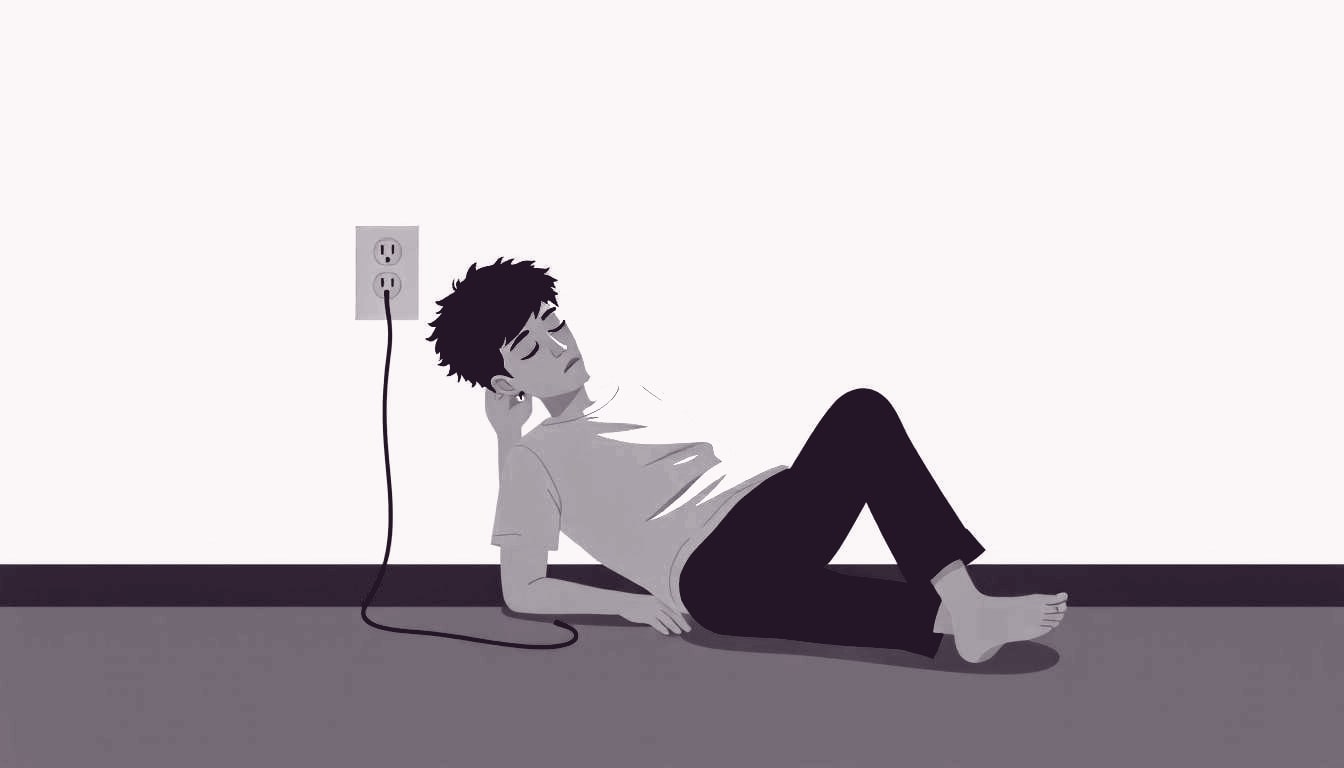
Start TestThe Introversion-Extroversion spectrum measures your orientation toward social interaction and where you draw your energy. Introverts recharge through solitude and prefer deeper, one-on-one connections, while extroverts gain energy from social interaction and thrive in group settings. Most people fall somewhere in between (ambiverts). This test helps you understand your natural social style, energy patterns, and optimal environments for productivity and wellbeing.
Info About This Test
Based on Carl Jung's theory of psychological types and Hans Eysenck's personality research. The introversion-extroversion dimension is one of the most well-established constructs in personality psychology, appearing in major models including the Big Five (Extraversion factor) and Eysenck's PEN model. This test uses 16 items (8 extroverted-framed, 8 introverted-framed with reverse scoring) to measure social energy orientation, comfort in social situations, and preference for solitary versus group activities. Scoring averages responses after reversing introverted-framed items, then classifies into three categories: Introvert (< 2.5), Ambivert (2.5-3.5), Extrovert (> 3.5).
This assessment measures personality preferences on the introversion-extroversion spectrum. It is not a diagnostic tool and does not indicate any psychological disorder. Introversion and extroversion are normal personality variations. This test is designed for self-reflection and personal growth, not for clinical or employment decisions.