How Introversion Shapes Your Evening Rest
4 min read
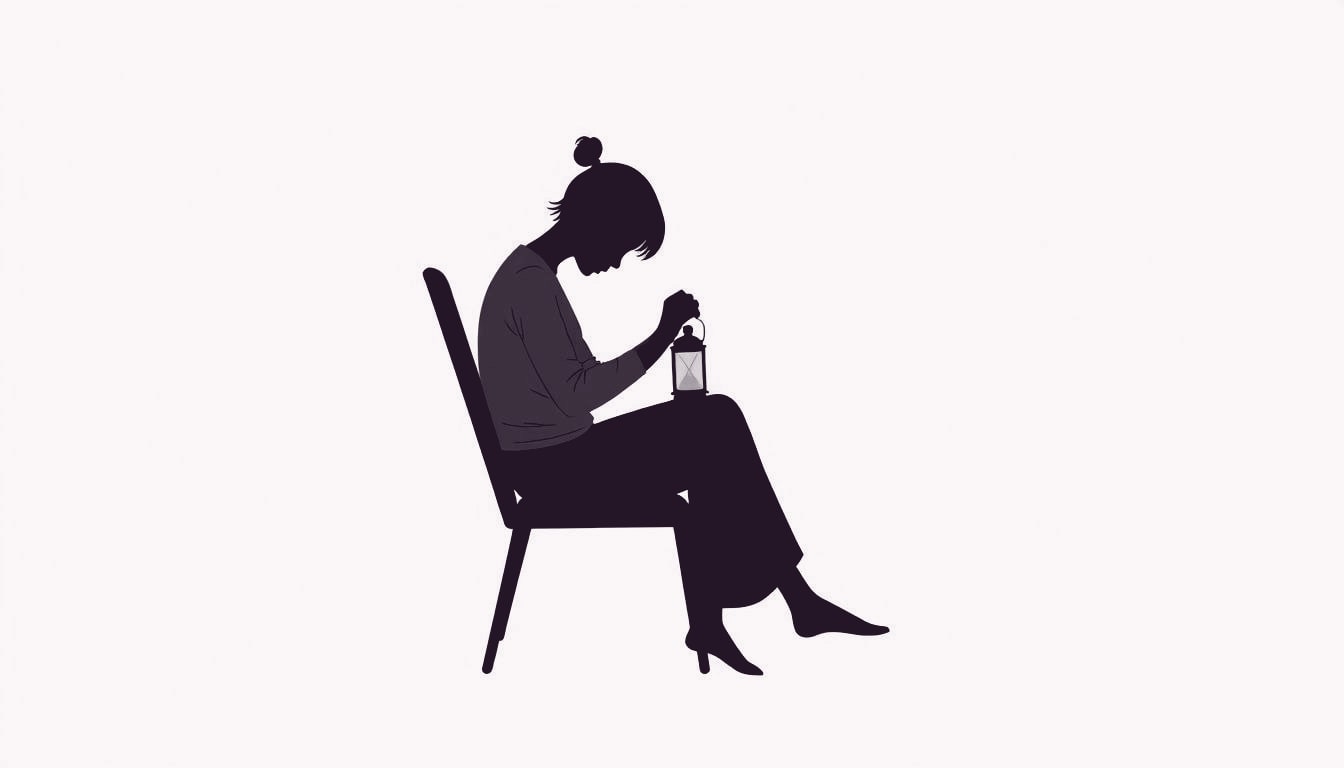
Evening is a time many people use to unwind. For some, the day ends with a calm that feels natural. For others, the night brings a need for quiet that feels essential. This difference often comes from how a person processes social energy. If you tend to look inward and feel drained after a lot of interaction, you may notice a strong pull toward solitude as the sun sets. Understanding this pull can help you create a night routine that supports good rest.
The goal of this article is to explain why introverted people often prefer solitary evenings, how that preference can affect sleep, and what a simple bedtime cue might look like. You will also learn how this trait fits into a larger picture of energy patterns that we measure with a short self‑assessment. By the end, you should have a clear idea of how to match your evening habits with your natural recharge style. This can lead to more restful nights and brighter mornings.
Why Introverts Prefer Quiet Evenings
Introverts tend to feel their mental batteries drop after a day of social contact. Even a short meeting can leave them needing time alone to recover. When the workday ends, they often look for a space with low noise and few interruptions. A quiet room, a favorite book, or a gentle hobby can give the brain a chance to settle. This calm period is not just a preference; it is a way to restore focus for the next day.
The need for solitude does not mean introverts dislike people. It simply means they recharge best when external input is reduced. After a busy afternoon, a calm evening can feel like a reset button. The brain can process information, sort emotions, and store memories without competing chatter. This internal work supports better mood and clearer thinking the following morning. When the evening is too stimulating, introverts may find it harder to unwind and fall asleep.
How Extroverts Recharge After a Day
Extroverts gain energy from being around other people. A lively conversation or a group activity can lift their mood after work. When the day ends, they often look for a chance to keep the social flow going. This might mean meeting friends for dinner, joining an online chat, or simply watching a TV show with others. The external stimulation helps them feel alive and ready for the next day’s challenges.
Because they thrive on interaction, extroverts may feel restless if they are left alone for too long. A quiet night can sometimes feel like a loss of energy rather than a chance to rest. To avoid this feeling, they often plan a low‑key social activity before bedtime. This can be a brief phone call, a game with family, or sharing a meal. Such an ending helps them transition from the day’s high to a calm state that still feels satisfying.
Take the Sleep & Energy Balance assessment to see how your evening habits affect your rest.
Take the Sleep & Energy Balance testEvening Choices and Sleep Quality
The level of stimulation in the evening can shape how easily you fall asleep. High noise, bright lights, or intense conversation can keep the brain alert. For introverts, even a modest amount of background chatter may be enough to delay sleep. For extroverts, a completely silent room might feel empty and make the mind wander. Matching the environment to your natural energy style can smooth the path to sleep.
Sleep quality also depends on how you wind down before bed. A routine that lowers stimulation signals the body that rest is near. Introverts may benefit from dimming lights, turning off notifications, and doing a quiet activity like reading or journaling. Extroverts might prefer a brief social wrap‑up, such as a friendly chat or listening to upbeat music at a low volume. Both approaches aim to move the brain from active mode to a relaxed state.
When the evening environment aligns with your inner rhythm, you are more likely to fall asleep faster and stay asleep longer. Misalignment can cause tossing, racing thoughts, or early waking. Over time, this can affect mood, concentration, and overall health. Paying attention to your personal recharge pattern is a simple step toward better sleep. It also helps you plan activities that support both your daytime energy and nighttime recovery.
A Simple Bedtime Cue for Introverts
One easy cue for introverts is a three‑minute dim‑light routine. About an hour before you plan to sleep, turn off bright lamps and switch to a soft lamp or a night light. Then, write a short note about the day’s highlights or any lingering thoughts. This quiet moment tells your brain that it is time to shift from external input to internal reflection. The cue is brief, but it can become a strong signal for rest.
Do the same cue each night so your body learns the pattern. Consistency helps the nervous system recognize the signal faster. After a few weeks, you may notice that you feel calmer sooner and that sleep comes more easily. If you find the cue too long, shorten it to one minute of deep breathing and a soft stretch. The key is a calm, low‑stimulus activity that signals the end of the day for an introverted mind.
Measuring Your Pattern
This trait is one of several measurable patterns this site has a short self‑assessment for. The Sleep & Energy Balance questionnaire looks at how you prefer to spend evenings, how you recharge, and how those habits link to your sleep. By answering a few simple questions, you can see where you fall on the introvert‑extrovert spectrum and how that relates to your nighttime rest. The results give you a clear picture of your personal energy flow.
Take the assessment to learn whether your evening routine matches your natural recharge style. The feedback includes tips for aligning your night habits with your energy type. Small changes, like the dim‑light cue or a brief social wrap‑up, can make a big difference in sleep quality. Knowing your pattern also helps you plan daytime activities that keep you balanced. Use the information to create a rhythm that supports both your waking hours and your restful nights.
Take the Sleep & Energy Balance assessment to see how your evening habits affect your rest.
Take the Sleep & Energy Balance test