How First Responders Keep Going After Hard Shifts
4 min read
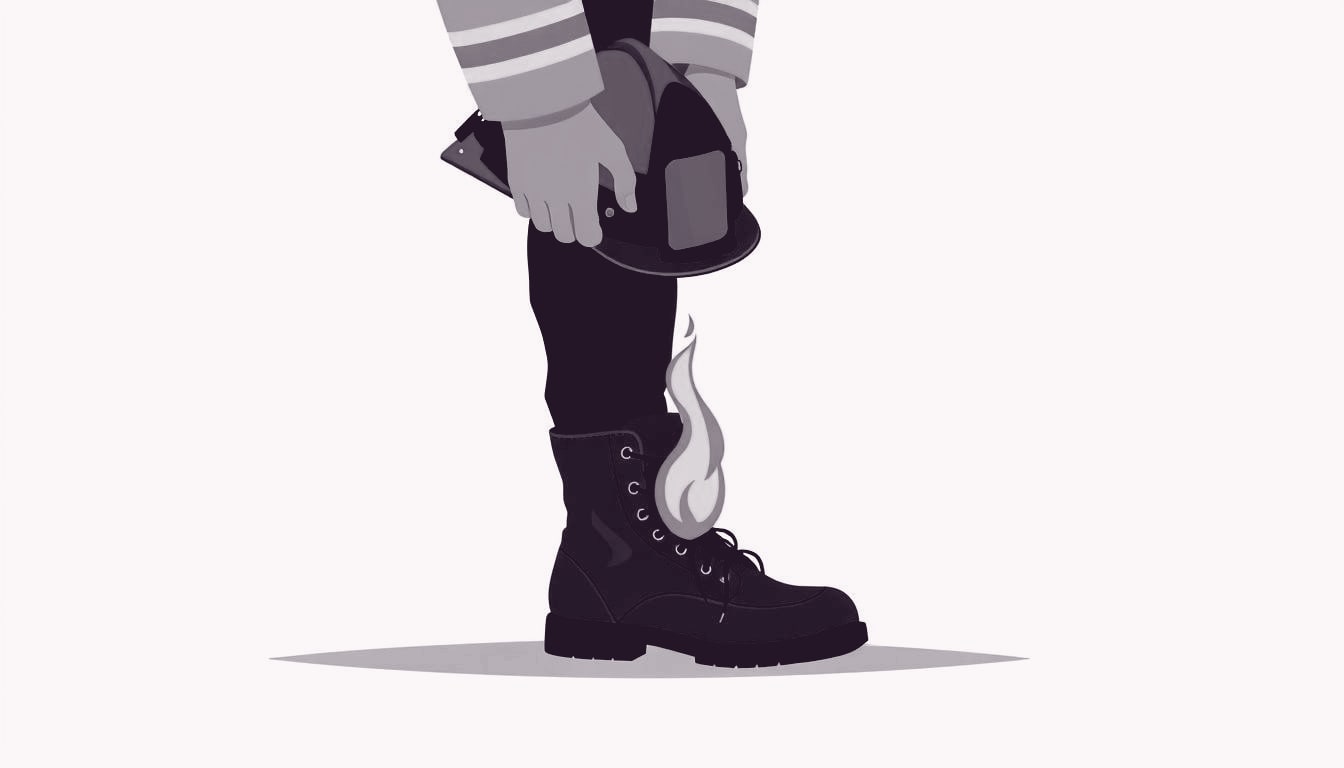
Every shift brings new challenges for those who answer the call. Long hours, loud alarms, and the pressure to make quick decisions can wear down even the strongest among us. When the lights finally dim and the trucks pull back into the garage, many first responders wonder how they keep moving forward. They may feel a mix of pride and fatigue, and the question of staying motivated can feel heavy. Understanding what fuels resilience helps turn that heaviness into a steady source of strength. In this article we explore the shape of burnout for emergency workers, the quiet loss of motivation, and habits that can protect the spirit.
The Unique Shape of Burnout in Emergency Work
Burnout for first responders does not always look like the classic picture of chronic exhaustion. It can appear as a sudden loss of interest in a job that once felt like a calling, or as a growing numbness toward the intense emotions that come with life-and-death situations. Because the work is often high-stakes, the warning signs may be dismissed as ‘just part of the job.’ This makes it harder to notice the early signs before they become more entrenched.
Another common pattern is the feeling that you are constantly on alert, even during off-duty hours. The mind may replay the day’s events, replaying sounds of sirens or the faces of people you helped. Over time, this mental replay can drain energy that should be used for rest, family, or hobbies. Recognizing that this pattern is a normal response to repeated stress is the first step toward managing it.
Why Motivation Can Quietly Erode
Motivation for emergency work often starts with a strong sense of purpose. Over months and years, small disappointments can chip away at that drive without anyone noticing. A missed call, a patient who does not survive, or a shift that feels like a repeat of the last can create a quiet sense of doubt. When these moments add up, the internal fire that once fueled long hours can dim.
The erosion is often silent because the culture of first responders values toughness. Admitting that motivation is slipping may feel like admitting weakness, so many keep the feeling inside. This silence can prevent useful conversations with peers or supervisors who might offer a fresh perspective. By naming the shift in motivation, you open a door to practical steps that can restore energy.
Take the Burnout & Motivation self-assessment to learn more about your current level of resilience.
Take the Burnout & Motivation testEveryday Habits That Build Resilience
Simple habits can become anchors during chaotic days. A brief breathing exercise before leaving the station can lower heart rate and give the mind a moment of calm. Even five minutes of stretching or a quick walk around the parking lot can reset tension that builds during a call. Consistency matters more than length; a short practice done daily is more powerful than a long one done rarely.
Nutrition and sleep are also key pillars. Keeping a small stash of protein-rich snacks in the locker can prevent the crash that follows long periods without food. When possible, schedule short naps during low-activity periods; even a 20-minute rest can improve alertness for the next shift. These habits are not luxury items; they are essential tools that help the body and mind recover enough to stay engaged.
Mindful moments can also fit into a busy schedule. While waiting for a call, try a quick grounding exercise: notice three things you see, two things you hear, and one thing you feel. This simple practice interrupts stress loops and brings attention back to the present, making it easier to transition between high-intensity incidents and routine duties.
Finding Support Inside and Outside the Crew
Support networks are a lifeline for anyone in high-stress work. Talking with a teammate who has lived through similar calls can provide validation and new coping ideas. Peer support groups, whether formal or informal, give a safe space to share stories without fear of judgment. Outside the station, family and friends who understand the demands can offer perspective that balances the intensity of the job.
This site offers a short self-assessment that measures burnout and motivation alongside other patterns that affect performance. By answering a few quick questions, you can see where you stand compared to typical ranges for first responders. The results can guide you toward the resources and habits that match your current needs, making it easier to start a conversation with a supervisor or a trusted peer.
Looking Ahead: Small Steps for Long-Term Strength
Building resilience is a gradual process, not a single event. Choose one habit from the list above and try it for a week. Notice how it feels before and after a shift, and adjust as needed. Small wins add up, creating a stronger foundation that can carry you through the most demanding calls.
Remember that caring for yourself protects the people you serve. When you feel steady, you are better able to make clear decisions, offer compassion, and return home safely. Take the Burnout & Motivation self-assessment to see how you’re doing today and find the next step toward lasting balance.
Make checking in with yourself a regular habit. At the end of each week, ask yourself three simple questions: What went well? Where did I feel drained? What can I adjust for next time? Writing brief answers can reveal patterns you might otherwise miss and keep you proactive about your well-being.
Take the Burnout & Motivation self-assessment to learn more about your current level of resilience.
Take the Burnout & Motivation test