How Family Dynamics Show Up With Loved Ones
4 min read
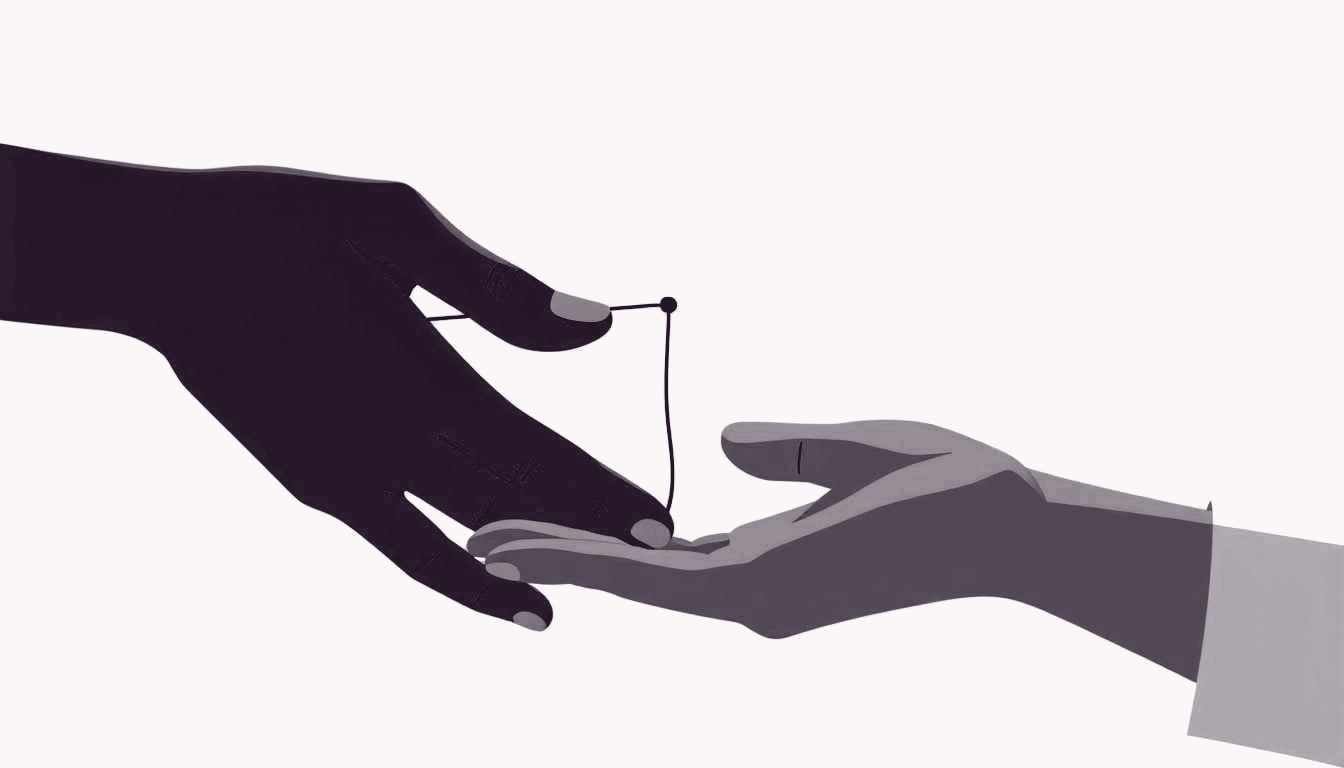
Family dynamics are the habits we learn early and carry into every close relationship. They shape how we give love, how we ask for help, and how we handle conflict. Even when we think we have changed, the same pattern can appear with a partner, a best friend, or a sibling. Recognizing the pattern helps us see why we sometimes feel stuck or misunderstood. In this article we will look at three everyday scenes and show how the same dynamic can feel different for each person.
The reason the pattern feels different is that each person brings their own history and expectations. One partner may see a request for support as caring, while the other sees it as criticism. A friend might interpret a quiet night in as a safe space, yet a sibling could read the same silence as distance. By looking at the situation from both sides, we can find a middle ground that respects each person’s view.
When a Partner Feels the Same Pattern
Imagine a couple planning their weekend. Alex suggests a quiet night at home, hoping to relax after a busy week. Jamie, however, hears the suggestion as a sign that Alex wants to avoid spending time together. The underlying pattern is a need for personal space that both partners learned in childhood. Alex sees the plan as self care, while Jamie interprets it as emotional distance. The same habit shows up, but each person feels a different impact.
Jamie’s reaction comes from a past where quiet meant a problem was being ignored. Alex’s reaction comes from a past where alone time was a way to stay calm. To bridge the gap, they can name the feeling first. Jamie might say, “I feel worried when we plan to stay in.” Alex can reply, “I need quiet to recharge.” By stating the need without blame, they create space for a joint solution, like a short walk before the night at home.
Close Friends and the Same Dynamic
A group of friends decides to meet for dinner. Sam suggests they try a new restaurant, hoping to share a fresh experience. Maya, however, feels the suggestion is a way for Sam to take control of the evening. The pattern here is a habit of leading that both learned as a way to feel safe. Sam sees the choice as excitement, while Maya reads it as pressure. The same dynamic plays out, but each friend experiences a different emotional tone.
Maya’s feeling comes from times when Sam’s decisions left her unheard. Sam’s feeling comes from times when taking charge helped avoid conflict. A simple way to talk about it is to use a feel need statement, but we will keep it plain. Maya could say, “I feel uneasy when plans are chosen for me.” Sam can answer, “I need to feel that I’m helping us have fun.” This opens a space where both can suggest ideas and agree on a plan that feels balanced.
Take the short Family Dynamics assessment now to see how these patterns show up in your life.
Take the Family Dynamics testFamily Gatherings and the Pattern
During a holiday dinner, the oldest sibling, Lina, volunteers to set the table. Her mother thanks her, but the younger brother, Ben, feels left out because he wanted to help too. The pattern is a learned role of the caretaker that Lina adopted as a child. Lina sees her action as helpful, while Ben sees it as a sign that he is not needed. The same family habit shows up, yet each child feels a different sense of belonging.
Ben’s feeling comes from times when his ideas were ignored at the table. Lina’s feeling comes from times when stepping up kept the family calm. A gentle way to discuss it is to share what each person needs in that moment. Ben might say, “I feel left out when I don’t get a chance to help.” Lina can reply, “I need to make sure everything runs smoothly.” By naming the need, they can invite Ben to join in a small task, keeping the peace and the connection.
Talking About the Pattern Together
A useful first step is to pick a quiet moment when everyone feels safe. Start with an observation, not a judgment. For example, “I notice we often choose who decides the plan without asking.” Then each person shares how the pattern makes them feel, using “I feel” statements. Finally, suggest a small change that respects both needs. This approach works for partners, friends, and family because it keeps the focus on feelings, not blame.
Remember, family dynamics is just one of several measurable patterns that our site offers a short self assessment for. By answering a few simple questions, you can see how the habit shows up in different relationships. The results give you clear language to start the conversation you just practiced. Knowing the pattern can help you choose the right words and actions, making it easier to feel understood and to understand others.
Moving Forward With Awareness
When you notice the same habit in multiple relationships, you gain a powerful insight. It shows that the pattern is not a flaw, but a learned way of coping. With that awareness, you can decide which parts of the habit serve you and which parts you want to change. Small adjustments, like checking in before making a plan, can create big improvements in trust and closeness.
Take a moment now to reflect on the patterns you see in your own life. Use the insight to start a caring conversation with the people you love. Understanding family dynamics can bring more peace and connection to every relationship. You might find that small changes lead to big feelings of safety and love.
Take the short Family Dynamics assessment now to see how these patterns show up in your life.
Take the Family Dynamics test