How Emotional Regulation Affects Loved Ones
4 min read
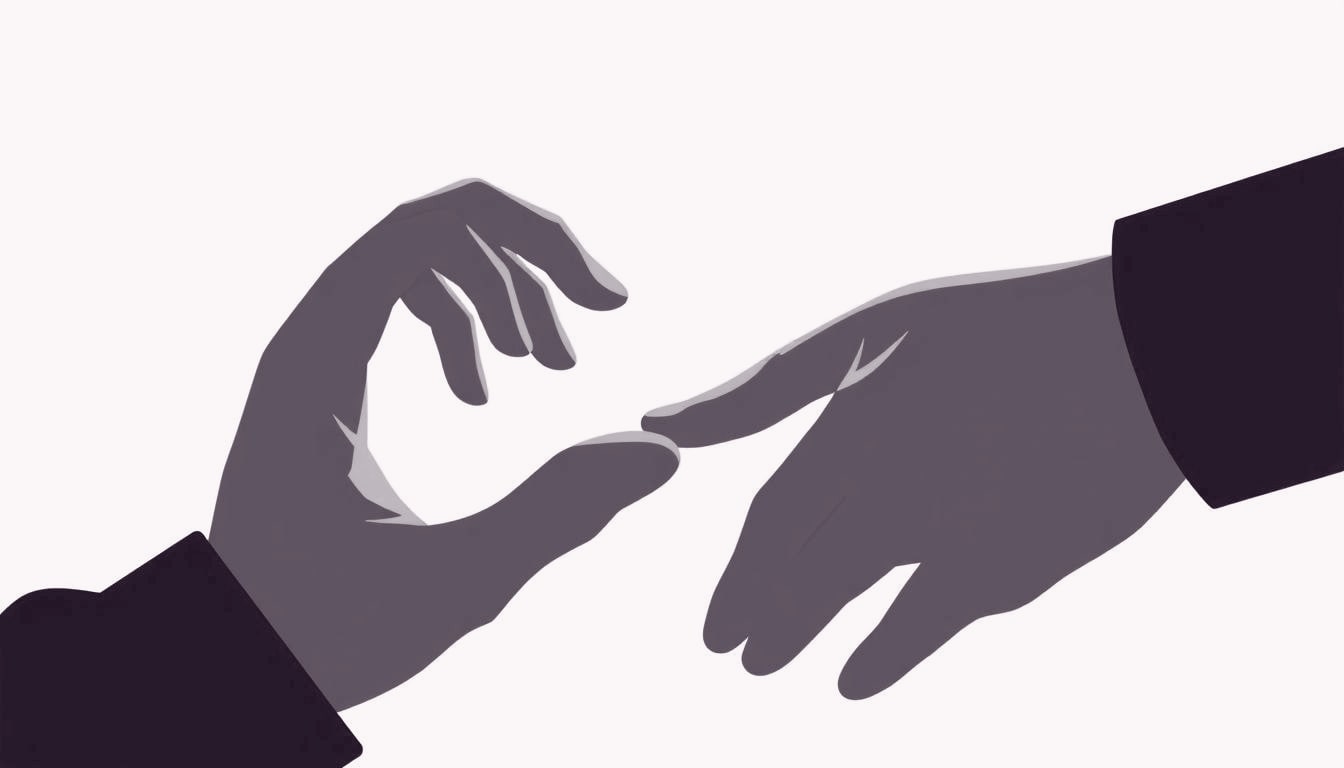
Emotional regulation is how we manage feelings in daily life. It matters most when we are close to someone. A partner, a best friend, or a family member can feel the impact of our reactions. When we stay calm, relationships tend to feel safe. When we react strongly, the same moment can feel risky. Understanding this pattern can help us keep our bonds strong. It also gives us a chance to grow together. By noticing the way we handle stress, we can choose better ways to respond.
In this article we will look at three common settings. First, we will see how a romantic partner may notice our regulation style. Next, we will watch a close friend during a disagreement. Finally, we will explore family gatherings where old habits surface. For each scene we will explain why the same behavior can feel different to the other person. We will end with a simple way to start a helpful conversation.
A Partner’s View When Stress Hits
Imagine a couple cooking dinner together. The pot boils over, and the partner sighs. One person immediately feels a surge of irritation and raises their voice. The other person notices the shout and feels unsafe. The reaction looks like anger, but it is actually a burst of stress that was not yet processed. The partner may think the shout is about the food, not the hidden pressure from work.
Because the partner sees the outburst as a personal attack, they may withdraw or become defensive. The original person may feel guilty and try to calm down, but the damage to trust has already started. If they both recognize that the outburst was a regulation slip, they can replace blame with curiosity. This small shift can keep the evening from turning into a bigger fight.
When both partners notice the trigger, they can plan a calm signal for future moments. A simple word or hand gesture reminds them to pause and breathe together.
When a Close Friend Calls You Out
A friend invites you to a coffee chat after a busy week. You arrive feeling exhausted, and the friend shares a problem about their job. As they speak, you feel a knot in your chest and quickly interrupt with a joke. The friend laughs at first, then notices the joke missed the seriousness of their issue. To you, the humor was a way to stay light, but to them it feels like dismissal.
The friend may respond by pulling back from future talks, thinking you don’t care. You might feel confused because you tried to keep the mood easy. When both see that the joke was a regulation tactic to avoid feeling overwhelmed, they can agree on a different approach. For example, they could ask for a short pause before responding, giving you time to settle.
If the friend feels heard after the pause, they are more likely to share deeper concerns later. Trust builds when each person feels the other can handle strong feelings.
Discover your emotional regulation style by taking our quick self-assessment.
Take the Emotional Regulation testFamily Gatherings and Unspoken Tension
At a holiday dinner, a parent asks about a recent job change. The adult child feels a rush of anxiety about expectations. They respond with a short, flat answer and then look away. The parent reads the silence as disinterest or disrespect. Meanwhile, the child is trying to hide a flood of nervous thoughts that feel too big to share in the moment.
In this setting, the same regulation slip feels like a small shrug to the child, but it feels like a cold shoulder to the parent. It is important to note that emotional regulation is one of several measurable patterns this site has a short self-assessment for. By seeing the pattern clearly, family members can learn that the pause was a coping move, not a personal slight. This knowledge can open space for gentle clarification.
A brief check-in after the dinner, like asking “Is everything okay?” can clear up the misunderstanding quickly. It shows the parent cares about the child’s inner world.
Why the Same Reaction Can Feel Different
People bring their own histories into each interaction. A raised voice may remind one person of past criticism, while another hears it as urgency. A joke can be a shield for someone who fears vulnerability, but to the listener it may look like avoidance. These layers make the same behavior feel safe for one and unsafe for the other.
When we remember that each side interprets the cue through their own lens, we can stop jumping to conclusions. We can ask, “What was happening for you when I said that?” instead of assuming intent. This small question respects both perspectives and reduces the chance of a misunderstanding growing into a conflict.
Remember that a single incident does not define a relationship. Repeated practice of curiosity creates a safety net that catches future slips before they grow.
A Simple Way to Talk About It
Try a three-step conversation starter at the next calm moment. First, name the behavior you noticed, such as “I saw that I raised my voice.” Second, share the feeling behind it, like “I felt overwhelmed by the noise.” Third, invite the other person’s view, saying “How did that feel for you?” This format keeps the focus on experience, not blame.
Practicing this routine once a week can build a habit of open sharing. It shows that you care about both your own regulation and the other person’s comfort. Over time, the pattern becomes easier to spot, and the relationship feels more secure. You will notice fewer sudden fights and more moments of understanding.
You might write down the three steps as a reminder before a tough talk. Seeing the plan on paper can reduce anxiety and keep the conversation on track.
Discover your emotional regulation style by taking our quick self-assessment.
Take the Emotional Regulation test