Burnout on the Front Line of Customer Service
4 min read
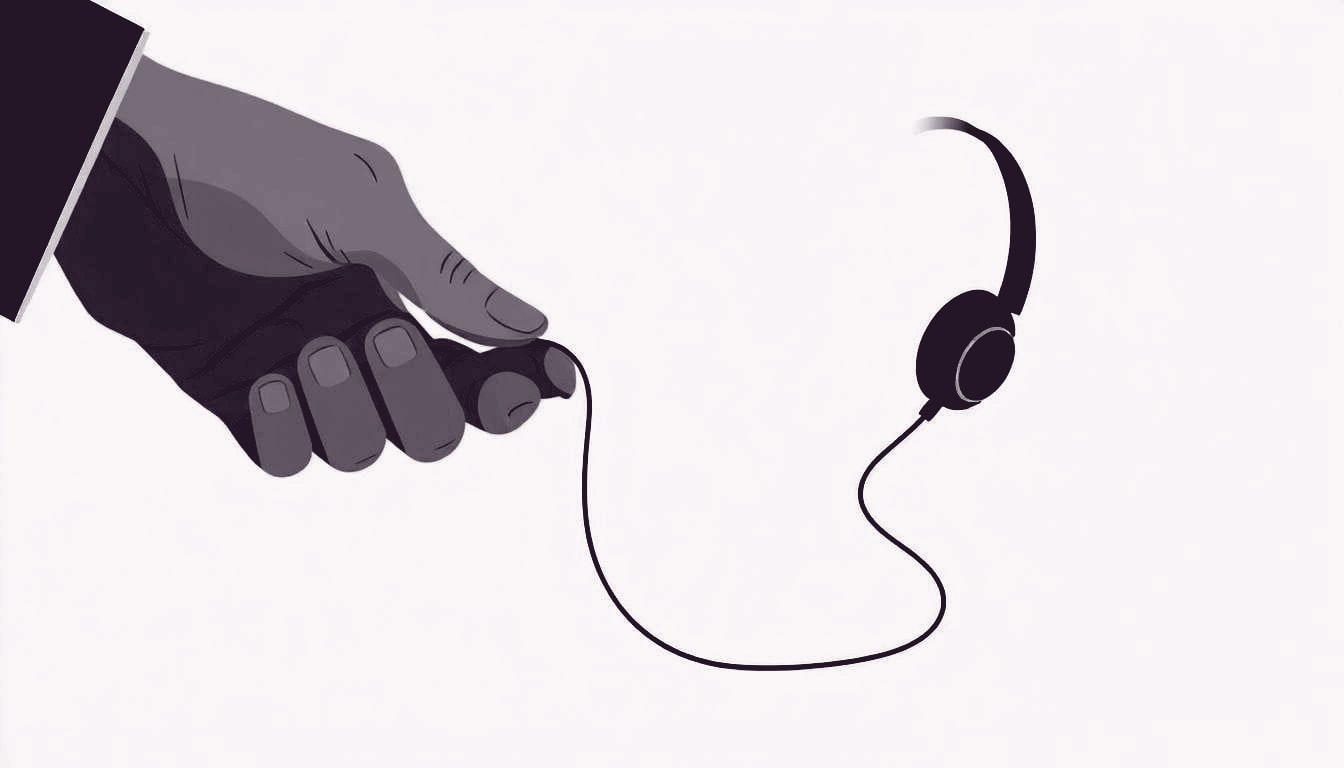
Working in customer service means you are the voice people hear when they need help. Every call, chat, or email puts you in the middle of a problem that can feel urgent or stressful. Over time, the constant demand can wear down your natural enthusiasm.
When the script you read feels like a loop, and the same tough issues appear day after day, it is easy to feel drained. You may notice that the spark you once had for helping others is dimming. This feeling is common among front‑line staff, and it does not mean you are weak.
The fatigue from work can follow you home. You might find yourself thinking about a call while cooking dinner, or feeling tense when you try to relax. Recognizing this spillover is the first step toward setting boundaries that protect your well‑being.
Why the Front Line Feels Heavy
Customer service jobs often blend fast pace with high emotional stakes. You must stay polite even when the caller is angry or upset. The need to follow a script adds another layer of pressure, because every word is measured and timed. When the job feels like a performance, personal energy can run low quickly.
Repeatedly hearing complaints can also shape how you view yourself. You may start to think that you are responsible for every problem, even when the issue lies outside your control. This mental habit builds a hidden load that adds up over weeks and months.
The constant need to stay calm can feel like you are wearing a mask all day. When the mask slips, you may notice tension in your shoulders or a racing heart. Recognizing that these physical cues are part of the job can help you treat them with care rather than ignore them.
Early Warning Signs to Watch For
A common sign is feeling exhausted before your shift ends. You might find yourself yawning during a call, or needing a coffee just to stay alert. This physical fatigue is often the first clue that burnout is starting.
Another warning is a drop in motivation. Tasks that once felt rewarding may now seem boring or pointless. You could notice that you are checking the clock more often, or that you avoid taking on new calls.
Emotional reactions may also shift. You might feel irritated by small issues, or you could become unusually quiet with customers. These changes are signals that your stress level is higher than usual.
If you notice you are taking longer to finish routine tasks, it may be a sign your mind is overloaded. Small mistakes, like dialing the wrong number or missing a detail, often happen when mental energy is low. Pause, breathe, and give yourself a moment before moving on.
Ready to see how you’re feeling? Take the Burnout & Motivation self‑assessment now.
Take the Burnout & Motivation testSimple Habits to Recharge Between Shifts
Take a brief walk outside if you can. Fresh air and a change of scenery help reset your nervous system. Even a five‑minute stroll can lower heart rate and clear mental fog.
Practice a quick breathing exercise. Inhale slowly for four counts, hold for four, then exhale for four. Repeat three times. This simple rhythm brings oxygen to the brain and reduces tension.
Hydrate and snack wisely. A glass of water and a handful of nuts give steady energy without the crash that sugary drinks cause. Small, regular nutrition keeps blood sugar stable and mood smoother.
Set a clear end to work time. When your shift ends, turn off notifications and put work tools away. Giving yourself a mental break helps your brain shift from problem‑solving mode to relaxation.
Keep a small notebook handy for quick reflections. Jot down what went well and what felt tough after each shift. Over time you will see patterns that tell you which habits give the biggest boost. This simple record keeps progress visible and motivates you to keep practicing.
How a Quick Self‑Check Can Help
Our site offers a short self‑assessment that looks at burnout and motivation together. This trait is one of several measurable patterns this site has a short self‑assessment for. The quiz takes only a few minutes and gives you a snapshot of where you stand.
Seeing your score can point out hidden stress you might not notice day to day. It also suggests practical steps you can try right away. Knowing a clear picture helps you choose the habits that fit your situation best.
When you finish the self‑assessment, write down one concrete change you want to try this week. It could be a five‑minute stretch before lunch or a nightly gratitude note. Small, specific actions are easier to stick with than vague goals.
Building Long‑Term Resilience
Beyond daily habits, think about your overall workload. Talk with a supervisor about rotating difficult calls or getting extra breaks during busy periods. Sharing the load can protect you from long‑term fatigue.
Connect with coworkers who understand the same pressures. A quick chat about a tough call can turn frustration into learning. Mutual support builds a sense of belonging that buffers stress.
Finally, celebrate small wins. When a customer leaves a positive review, or you solve a tricky problem, take a moment to acknowledge it. Positive reinforcement keeps motivation alive even on hard days.
If burnout feels overwhelming, consider talking to a counselor or employee assistance program. Professional support can give you tools to manage stress and keep you on a healthy career path.
Ready to see how you’re feeling? Take the Burnout & Motivation self‑assessment now.
Take the Burnout & Motivation test