Coping With Stress After a Recent Breakup
4 min read
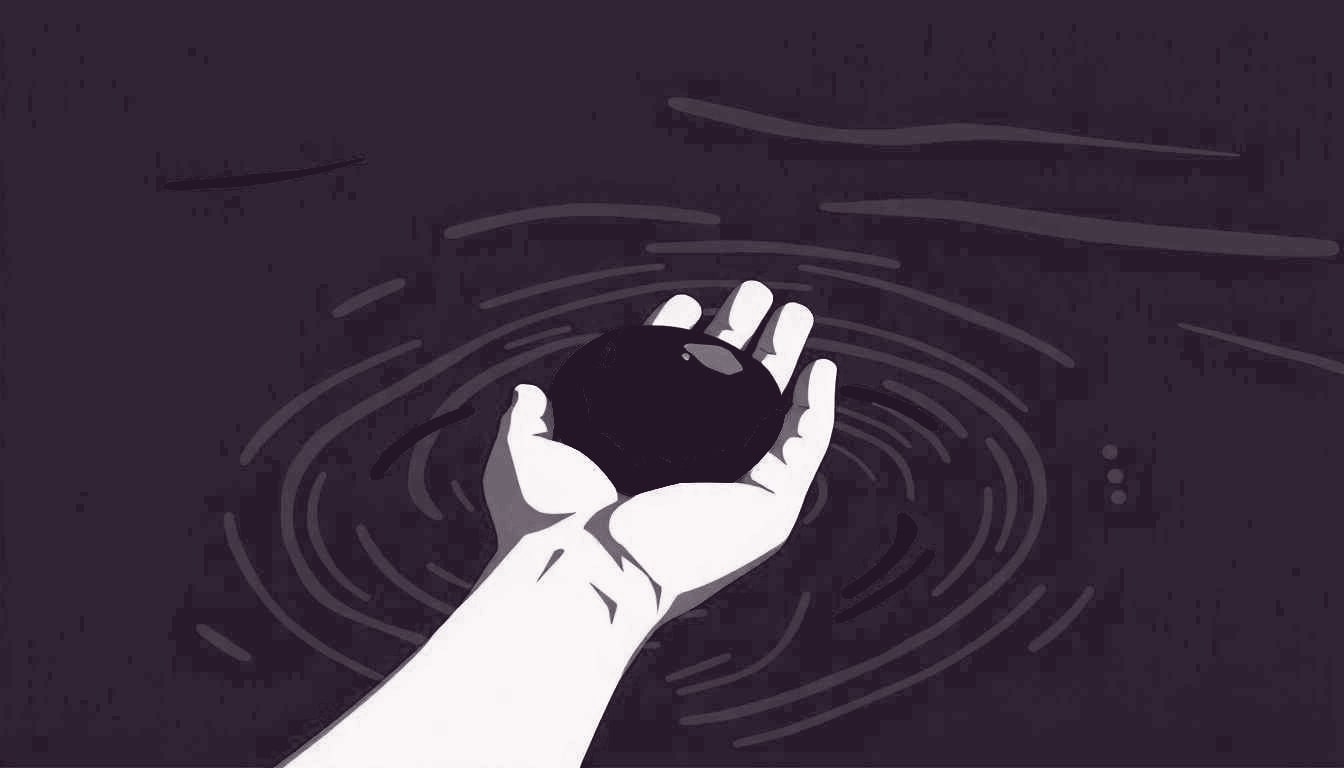
You wake up and your phone lights up with a missed call from your ex. Your heart beats fast. The room feels too quiet. You replay the last conversation over and over. The words feel heavy, and a knot forms in your chest. You try to push the thoughts away, but they keep coming back like a song you can’t stop humming. You wonder if you will ever feel normal again, and that question adds a thin layer of worry to the morning.
You get ready for work, but your stomach feels like a tight band. The coffee you drink tastes bitter, and you notice your hands shake when you type. At the office, a colleague asks about your weekend, and you smile, but the answer feels forced. Throughout the day, your mind drifts back to the breakup. You feel a low grade anxiety that never fully leaves, and by evening you are exhausted even though you haven’t done much.
Physical Signs of Stress
Physical stress can show up in many ways after a breakup. You might wake up with a pounding headache that feels like a tight band around your skull. Your shoulders may feel clenched, and a dull ache can travel down your neck. Some people notice a knot in their stomach, nausea, or a sudden loss of appetite. Others find they are hungry all the time, reaching for snacks to fill the emptiness. Sleep can become restless, with frequent waking or an inability to fall asleep at night.
Your heart may beat faster even when you are sitting still. You might feel a warm flush across your face or notice cold hands that tremble as you hold a cup. Light sweating can appear on your forehead during a simple conversation. These reactions are the body’s way of preparing for a threat, even though the danger is only emotional. Over time, if the stress stays high, it can wear down your immune system and make you catch colds more often.
Emotional Waves
Emotions after a breakup can feel like a storm that never stops. Sadness may come in waves, sometimes gentle, sometimes crashing. You might feel a deep emptiness that makes everyday tasks feel meaningless. Guilt can appear, as if you are blaming yourself for what went wrong. Anger may surface, directed at the situation, at yourself, or at your ex. These feelings can shift quickly, leaving you unsure of what you will feel next.
Anxiety can sit in the pit of your stomach, making it hard to focus on work or conversation. You may replay the breakup scene again and again, searching for a missing clue. Self‑doubt can creep in, causing you to question your worth or future choices. These mental loops drain energy and can make sleep feel even more elusive. Recognizing the pattern is the first step toward calming the mind.
Take the Stress & Burnout assessment now to learn how you’re managing stress after the breakup.
Take the Stress & Burnout testWhy Grounding Helps
Grounding is a simple way to pull your mind back to the present. It works by giving your brain a clear, safe focus that is not tied to the past breakup. When you notice your thoughts drifting, you can use a grounding exercise to anchor yourself in the here and now. This can lower the racing heart and quiet the nervous system. It also creates a small break from the emotional flood, giving you space to breathe.
This stress response is one of several measurable patterns this site has a short self-assessment for. The Stress & Burnout test can show you how much stress you are carrying after the breakup. Knowing your score can help you see where you might need extra care or professional help. It also gives you a clear picture of how your body and mind are reacting. Use the results as a guide, not a label, as you work toward feeling steadier.
Three Simple Grounding Techniques
The first technique uses your five senses to bring you back to the room. Look around and name five things you can see, such as a lamp, a picture, a cup, a plant, or a window. Then name four things you can touch, like the fabric of your shirt, the smooth desk, your phone, or the floor. Next, notice three sounds, two smells, and one taste. This quick scan tells your brain that you are safe now.
The second technique focuses on the breath. Sit or stand straight, place one hand on your belly, and inhale slowly through your nose for four counts. Feel your hand rise as your belly fills with air. Then exhale gently through your mouth for six counts, feeling the hand fall. Repeat this cycle five times. The third technique is mindful walking. While you walk, notice each step, the feel of the floor, the rhythm of your legs, and the air on your skin. This movement anchors you in the present.
When to Seek More Support
If the physical or emotional signs linger for weeks, it may be time to reach out for extra help. Constant headaches, stomachaches, or trouble sleeping that do not improve can signal that stress is too high. When sadness feels like a heavy blanket that never lifts, or anxiety makes it hard to leave the house, consider talking to a therapist or counselor. Friends and family can also offer a listening ear, but a professional can give you tools tailored to your situation.
You do not have to face this alone. Taking the Stress & Burnout assessment can give you a snapshot of where you stand and suggest next steps. Pair the results with simple self‑care habits like regular exercise, balanced meals, and staying connected with loved ones. Remember that healing takes time, and each small step counts. Be patient with yourself, and celebrate the moments when you feel a little more calm.
Take the Stress & Burnout assessment now to learn how you’re managing stress after the breakup.
Take the Stress & Burnout test