Common Myths About Burnout and Motivation
4 min read
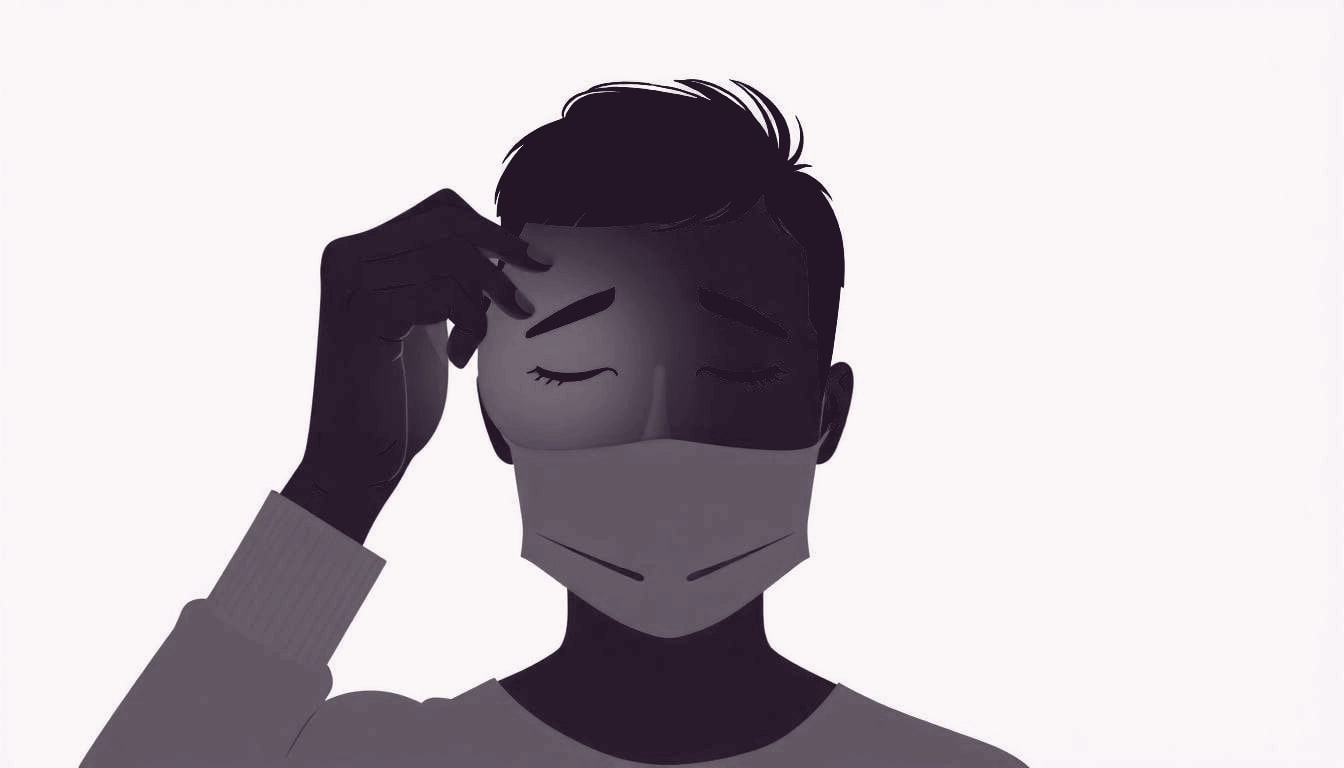
Many people hear the words burnout and motivation and immediately think of simple explanations. The ideas feel familiar, so they spread quickly. Yet the real picture is more nuanced. Psychologists have studied how stress, energy, and purpose interact over time. Understanding the facts helps you see when you need a change and when a myth is holding you back.
In this article we look at five common misconceptions. For each one we explain what research and clinical practice actually suggest. The goal is to give you clear, practical insight without jargon. Let’s start by separating the stories we hear from what experts have observed.
Myth 1: Burnout only follows long work hours
A frequent claim is that burnout appears only after you log many overtime hours. While excessive work can be a trigger, burnout can also develop in jobs with normal schedules if other factors pile up. Constant pressure, unclear expectations, and lack of control can wear down energy even when the clock shows a standard day. The key is the feeling of chronic depletion, not the number of hours alone.
Because the mind and body respond to perceived threat, a short but intense period of stress can feel just as draining as weeks of overtime. People who juggle multiple roles, such as caregiving at home, may experience burnout even if their paid work ends at five. So the myth that only long hours cause burnout misses the broader picture of ongoing strain.
If you notice signs such as chronic fatigue, cynicism, or a drop in performance, it is useful to pause and assess your workload. Simple steps like taking short breaks, delegating tasks, and clarifying expectations can reduce the pressure. Talking with a supervisor or a trusted colleague about realistic goals often creates room for adjustment before burnout deepens.
Myth 2: Motivation and burnout sit on opposite ends of one scale
Some think that high motivation automatically protects against burnout, or that low motivation means you are burned out. In reality, motivation and burnout are related but distinct. You can feel highly motivated about a project while still feeling exhausted and detached, which are core signs of burnout. Conversely, low motivation may stem from many sources, including lack of interest, skill gaps, or external obstacles, not just burnout.
Psychologists view motivation as a drive that can fluctuate, while burnout is a state of chronic stress that affects emotional and physical health. The two can influence each other, burnout can sap motivation, and low motivation can make stress feel heavier, but they are not opposite poles of a single line. Recognizing this helps you address each issue with the right tools.
To keep motivation alive while you address stress, try breaking larger goals into small, doable steps. Celebrate each tiny win, and connect the task to a personal value or interest. Regular reflection on what matters can reignite enthusiasm without ignoring the need to manage workload and recovery.
Take the Burnout & Motivation assessment to learn more about your patterns.
Take the Burnout & Motivation testMyth 3: Only work stress creates burnout
Many assume burnout is a workplace problem alone. In fact, burnout can arise from any area where you invest sustained effort without sufficient recovery. This includes school, volunteering, caregiving, or even intense hobbies. When expectations are high and support is low, the same pattern of emotional exhaustion and reduced sense of accomplishment can appear, regardless of the setting.
Because this trait is one of several measurable patterns this site has a short self‑assessment for, you can explore how burnout shows up in different parts of your life. The assessment looks at energy levels, sense of purpose, and stress patterns across work, home, and personal projects. Seeing the broader view can guide you toward balanced changes rather than focusing only on the job.
Practical self‑care can look different in each area of life. At work you might set clear start‑and‑stop times, while at home you could schedule regular moments of relaxation or hobbies you enjoy. In school or volunteer settings, planning breaks and seeking peer support can protect against overload. Balancing these habits helps keep energy steady across roles.
Myth 4: A vacation will cure burnout
It feels natural to think that a long break will reset your energy. A vacation can provide temporary relief, but it rarely resolves the underlying causes of burnout. When the same workload, unclear goals, or lack of autonomy returns, the exhaustion often reappears quickly. A short escape may mask symptoms without giving you tools to change the stressors.
Effective recovery usually involves more than time away. It includes setting realistic boundaries, improving communication, and rebuilding a sense of control over tasks. Some people find that adjusting work rhythms, seeking support, or redefining goals leads to lasting improvement. Treating burnout as a habit rather than a one‑time event encourages sustainable change.
Building habits that last means integrating recovery into daily routines. Simple practices such as a brief walk, mindful breathing, or a five‑minute stretch can reset tension. Over time, these micro‑breaks add up and make the larger workload feel more manageable. Pairing them with clear boundaries around after‑hours work protects the time you need to recharge.
Myth 5: Burnout means you are weak or lazy
A harmful belief is that burnout reflects personal failure. In truth, burnout is a response to chronic stress, not a character flaw. Everyone has limits, and when those limits are repeatedly pushed, the body and mind signal distress. Labeling the response as weakness discourages people from seeking help and can deepen the problem.
Seeing burnout as a normal, albeit painful, signal encourages compassion and proactive steps. It invites you to examine workload, support systems, and personal values. By treating the experience with curiosity rather than judgment, you create space for healthier habits and better alignment with what matters to you.
Talking openly about burnout with friends, family, or a professional can reduce stigma and open doors to help. Support groups or counseling provide a space to share experiences and learn coping tools. Remember that asking for assistance is a sign of strength, not a flaw, and it often leads to faster recovery.
Take the Burnout & Motivation assessment to learn more about your patterns.
Take the Burnout & Motivation test