How Assertiveness Shows Up at Work
4 min read
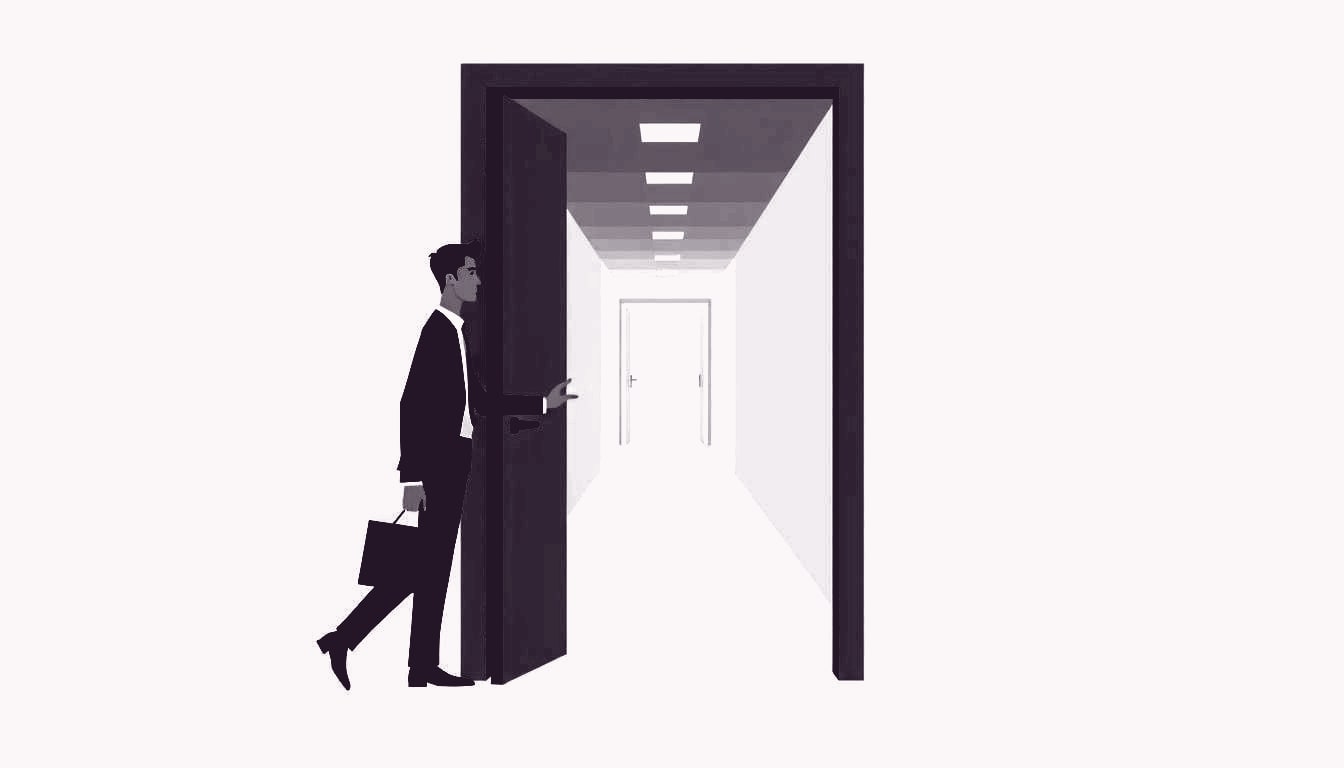
Assertiveness is a style of communication. It means sharing thoughts clearly while respecting others. At work this style can help you get noticed. It can also create tension if it is not balanced. When you speak up, you can guide projects and solve problems faster. When you listen, you show that you value the team. The mix of speaking and listening shapes how coworkers see you. Understanding the pattern can make daily interactions smoother. This article explores how assertiveness appears in real work situations.
In this article we look at three common workplace scenes. We will see the good side and the possible friction. We end with one small habit you can try this week. Each scene shows how clear speech can move a project forward. It also shows how the same clear speech can be read as pushy or dismissive. By noticing the pattern you can choose when to hold back and when to step forward. The goal is to help you feel more comfortable at work.
Speaking Up in Meetings
Imagine a weekly team meeting. The manager asks for ideas on a new product feature. You raise your hand and state a clear suggestion. You explain why the idea fits the market and how it can be built in two weeks. Your confidence draws attention. The team nods and the manager writes the idea on the agenda. In this moment your assertiveness moves the discussion forward. You help the group see a concrete path and avoid vague brainstorming.
Now picture the same meeting with a different tone. You speak quickly and interrupt a colleague who is sharing a draft plan. Your voice rises as you push your idea harder. Some teammates feel unheard. The manager pauses and asks for more input from the group. The energy shifts to tension. Your assertiveness, while well‑intended, now looks like dominance. It can create resistance and slow the decision process. The team may pull back on future suggestions.
Working With Managers
A manager assigns a project with a tight deadline. You review the brief and notice a missing resource. You schedule a brief chat with the manager and state the need clearly. You say, “We need an extra designer to keep the timeline realistic.” The manager appreciates the direct request and reallocates staff. Your assertiveness keeps the project on track and shows you care about quality. The team benefits from the added support and meets the deadline.
If you use the same direct style without checking the manager’s workload, the result can differ. You walk into the office and demand the resource before the manager can explain current constraints. The manager may feel challenged and push back, saying the team is already stretched. The request can be seen as an ultimatum. The manager might delay the decision, and the project could lose momentum. In this case, assertiveness without timing creates friction.
Take the Assertiveness Assessment now to see how you show up at work.
Take the Assertiveness Assessment testHandling Deadlines and Team Tasks
During a sprint, the team falls behind on a key feature. You notice the gap and speak up in the daily stand‑up. You state, “We need to cut two low‑priority items to finish the main feature on time.” Your clear wording helps the group re‑prioritize quickly. The team agrees, and the feature is delivered as promised. Your assertiveness here saves time and keeps the client happy.
Assertiveness is just one of several measurable patterns this site has a short self‑assessment for. Others include teamwork style, adaptability and communication preferences. By taking the quick quiz you can see how your assertiveness compares to these other traits. Knowing the full picture helps you plan growth steps that fit your role. It also gives you language to discuss strengths with a manager or mentor.
Sometimes the team may resist cutting tasks. In that case, suggest a brief trial of the new focus for one week. Data from the trial can prove the decision’s value.
Balancing Strengths and Friction
When you are assertive, you bring ideas forward fast. You help the team avoid delays and clarify goals. Those are clear strengths in any workplace. At the same time, the same direct voice can be heard as aggression if you skip listening or timing. The friction shows up as strained relationships, missed input, or a drop in collaboration. Recognizing both sides lets you adjust your approach without losing confidence.
A simple way to keep balance is to pair each assertive statement with a question. For example, after suggesting a deadline, ask, “How does that fit with your current workload?” This invites feedback and shows respect. Another tip is to pause and watch body language. If teammates look tense, soften your tone. Small adjustments like these keep the benefits of assertiveness while reducing friction.
Remember that feedback is a two‑way street. When you ask for input, you also model the listening you hope to receive. This creates a cycle of mutual respect.
One Simple Practice for This Week
Pick one meeting this week where you normally speak first. Before you share, write a short note that includes your main point and a question for the group. In the meeting, state your point, then immediately ask the question. Notice how the team reacts. You may see more openness and less push‑back. This tiny habit blends confidence with curiosity and can smooth future interactions.
Try the practice twice and watch the change. Small experiments often reveal big patterns. When you feel the habit works, you can add more questions to other conversations. Over time you will notice a smoother flow at work and stronger connections with coworkers. The next step is to see how your overall assertiveness fits with other traits by taking the short assessment.
If you notice a teammate feeling left out, invite them to share their view after you ask your question. This small act builds inclusion and reinforces your assertive yet supportive style.
Take the Assertiveness Assessment now to see how you show up at work.
Take the Assertiveness Assessment test