Why Crowds Can Raise Your Anxiety
4 min read
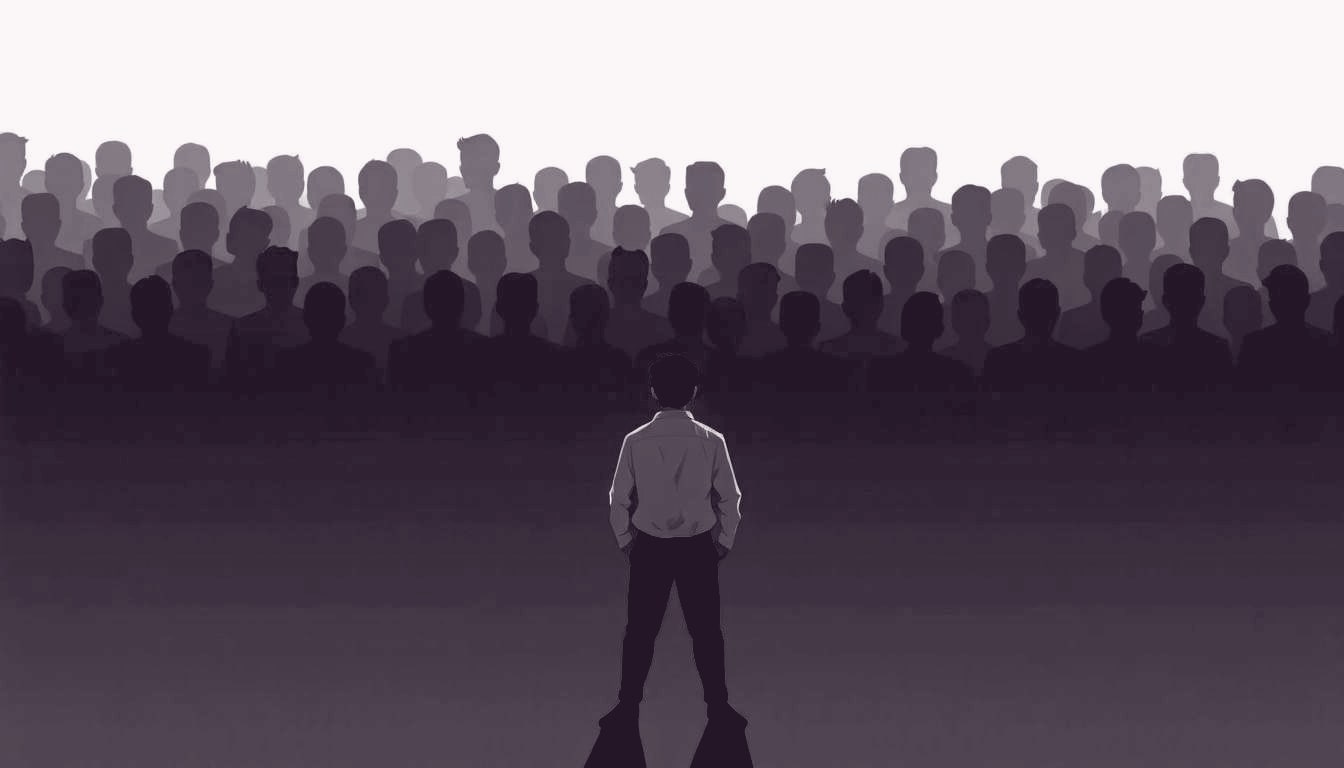
You might notice that a bustling party or a packed conference makes your heart race. The noise, the faces, the constant movement can feel too much, especially if you often worry about what others think.
These feelings are common. Many people experience a spike in nervousness when they are surrounded by many strangers. Understanding why this happens can help you feel more in control the next time you step into a crowd.
When you know which part of your personality is driving the reaction, you can choose tools that match your style. It also lets you talk about your experience with friends or professionals without feeling labeled. Awareness is the first step toward feeling steadier in any social setting.
Sometimes the mind expects the worst before you even arrive. This anticipation can make the actual experience feel even more intense. By breaking the event into smaller steps, you can reduce the pressure and keep your nervous system calmer.
What Happens When You Join a Party?
Imagine walking into a lively house party. The music thumps, people laugh, and conversations swirl around you. If you score high on neuroticism, you may notice your thoughts turning to “What if I say something wrong?” or “Will anyone notice my mistake?” Those worries can amplify the noise and make the room feel chaotic.
At the same time, lower extraversion means you may not draw energy from the buzz. You might prefer a quiet chat with one friend rather than joining a group discussion. The mismatch between the environment’s high stimulation and your inner need for calm can raise anxiety quickly.
During the party, you may notice your body tensing up. Your shoulders might rise, and your stomach may feel tight. These physical signs are clues that your nervous system is on high alert. Recognizing them early can help you use calming strategies before the anxiety builds.
The Conference Scene: Why It Can Feel Overwhelming
Now picture a professional conference. The hall is filled with rows of seats, bright screens, and dozens of speakers. You are expected to network, ask questions, and absorb a lot of information in a short time. For someone with high neuroticism, the pressure to perform can feel like a spotlight on every move.
If extraversion is lower, you may find the constant mingling exhausting. Small talk with strangers can drain your energy, and large breakout sessions may leave you feeling overwhelmed. The combination of worry and low social stamina can turn a learning opportunity into a source of stress.
Conference sessions often include Q&A periods. The thought of speaking up can feel like a test of competence. If you are low in extraversion, you might prefer listening quietly instead of volunteering an answer, such as preparing a question in advance.
Ready to learn more about your personality? Take the short Big Five assessment now.
Take the Big Five testHow Personality Traits Play a Role
Neuroticism is a trait that describes how easily you feel negative emotions. People who score higher tend to react strongly to stress, and they often focus on potential problems. Extraversion, on the other hand, measures how much you seek social interaction and excitement.
These two traits are just part of a larger picture. This site offers a short self‑assessment that measures several personality patterns, including neuroticism and extraversion. The Big Five test lets you see where you fall on each scale, giving you a clearer view of why crowds might feel stressful for you.
You can also use your trait information to pick environments that suit you. Smaller gatherings, quiet venues, or events with clear agendas may feel less draining. When you must attend a large crowd, pairing it with a trusted friend can provide a calming anchor.
A Quick Self‑Check You Can Do Now
Ask yourself these three questions before your next big event. 1) Do you often think about what others might think of you? 2) Does the noise and movement make you feel uneasy? 3) After socializing, do you feel drained rather than energized? If you answered yes to most, you may have higher neuroticism and lower extraversion.
Remember, this is only a snapshot. You can get a fuller picture by taking the short Big Five assessment on our site. The results can help you see patterns you might want to work on, and they can guide you toward strategies that fit your personality.
After you finish the Big Five quiz, look at the feedback for neuroticism and extraversion. A higher score on neuroticism suggests you notice stress quickly, while a lower extraversion score means you recharge best in calm settings. Use these insights to choose coping tools that match each area.
If you notice a pattern of high anxiety, try pairing the self‑assessment with a brief journaling habit. Write down moments when crowds felt tough and note what helped you stay steady. Over time you may see clear links between certain situations and your stress level.
One Simple Tip to Calm Your Nerves
A quick breathing exercise can lower anxiety in a crowd. Find a spot where you can stand or sit comfortably. Inhale slowly through your nose for four counts, hold for two, then exhale through your mouth for six counts. Repeat this cycle three times before you join the group.
Pair the breathing with a grounding technique. Notice five things you can see, four you can touch, three you can hear, two you can smell, and one you can taste. This simple practice brings your focus back to the present and reduces the flood of worry.
Before you go to the next gathering, set a small goal. It could be greeting one new person or staying for a set amount of time. Celebrate the effort, no matter how brief. Small successes build confidence and make larger events feel more manageable over time.
Ready to learn more about your personality? Take the short Big Five assessment now.
Take the Big Five test