How Personal Values Show Up at Work
4 min read
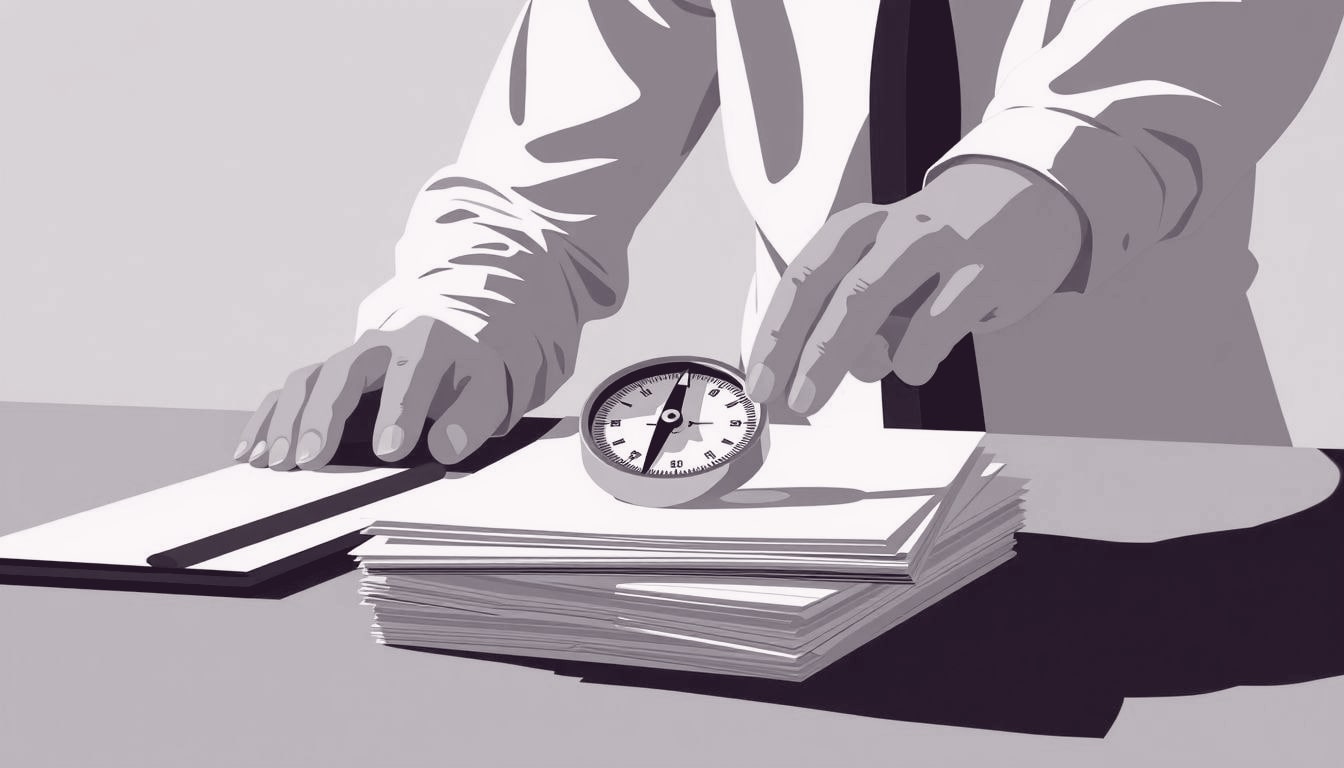
Personal values are the ideas that guide what we think is right or important. In a job they affect how we talk, how we decide, and how we feel about daily tasks.
When your values match the culture of your team, work can feel smooth and rewarding. When they clash, you may feel uneasy or push back, even if you are trying your best.
Seeing how your personal values line up with work expectations can help you choose projects, speak up, and keep a healthy balance. It also gives you clues about where you might need to adjust or find new support.
A meeting that feels right
Imagine a team meeting about a new client. Maya feels a strong value of honesty, so she speaks up when the group suggests cutting corners to meet a tight budget. Her comment is clear and respectful. The team pauses, thinks, and decides to propose a realistic plan that stays true to their standards. Maya’s alignment with the team’s ethical core builds trust and shows her leadership.
Later, the same meeting moves to a deadline discussion. Maya’s value of thoroughness pushes her to ask for more time to check the numbers. Some teammates see this as slowing progress. A manager nods, but whispers that the client expects a quick reply. Maya feels a tug between her need for accuracy and the pressure to deliver fast. The tension creates a brief pause, and the group has to negotiate a compromise.
When values line up, team members often feel safe to share ideas. They know the conversation will stay respectful. This safety can lead to creative solutions that might never appear in a tense environment. Over time, the group develops a reputation for honesty and reliability, which attracts new projects and talent.
If the values clash, meetings can become heated. Someone may feel judged for not sharing the same priorities. This can cause quiet withdrawal or sharp remarks. The team might miss important input, and morale can dip.
Even a brief, value based comment can shift the tone and give you a clearer sense of fit.
When a deadline tests your values
Tom works on a software update that must go live on Friday. His personal value of reliability tells him that every feature should be tested twice. His manager, however, stresses speed because the market is waiting. Tom suggests a staggered rollout, but the manager pushes for a full launch on schedule. Tom feels uneasy because he worries about hidden bugs.
Because Tom values quality, he double checks the code and catches a timing error that could crash the system. The team thanks him for preventing a larger problem. Yet the same focus makes the release slip by a day, and the client expresses disappointment. Tom learns that his strong alignment can protect the product but also create schedule pressure. He now looks for ways to share his quality checks with a peer.
Tom’s dedication to reliability also earns him the trust of his peers. They know he will flag issues early, so they feel less anxious about hidden problems. This trust can make the team more willing to take calculated risks on other parts of the project.
However, when the manager pushes a fast pace, Tom may appear resistant. Colleagues might think he is slowing progress, which can create subtle tension. Over time, this perception could limit his chances for leadership roles if not addressed.
Even a brief, value based comment can shift the tone and give you a clearer sense of fit.
Take the Personal Values Alignment quiz to discover how your values fit your work.
Take the Personal Values Alignment testBalancing personal values with team goals
Every workplace has many hidden patterns, like how people handle conflict or how they seek recognition. Personal values alignment is one of several measurable patterns this site has a short self assessment for. By answering a few simple questions, you can see where your values match your current role and where they differ.
Taking the short self assessment takes only a few minutes. It asks about how you react to change, how you view teamwork, and what drives your decisions. After you finish, you receive a brief report that highlights areas where your values support your current role and spots where you might feel friction.
You can use the results as a conversation starter with a manager or mentor. Share the parts that feel accurate and discuss ways to align projects or responsibilities with your core drivers. This dialogue can lead to small adjustments that improve satisfaction without a major job change.
One small step to try this week
Pick a meeting this week where you feel your values are slightly out of sync. Before the meeting, write down one word that captures your core value for that situation. During the talk, try to voice a comment that links that word to the topic. Notice how the group reacts and how you feel afterward. Even a brief, value based comment can shift the tone and give you a clearer sense of fit.
After you try it, take a moment to write what worked and what felt awkward. Use those notes to plan your next value aligned move. Small practice builds confidence and helps you bring your true self to work each day.
At the end of the week, review the notes you made. Ask yourself if the comment felt true to you and if it helped the group move forward. Celebrate any positive response, and note any resistance that taught you about hidden gaps. Keep a simple log of these moments for a month. Patterns will appear, showing you where your values shine and where they need extra care. Over time you will see a clearer picture of how to bring your values into daily work life.
Take the Personal Values Alignment quiz to discover how your values fit your work.
Take the Personal Values Alignment test