When Overload Makes You Forget Simple Tasks
4 min read
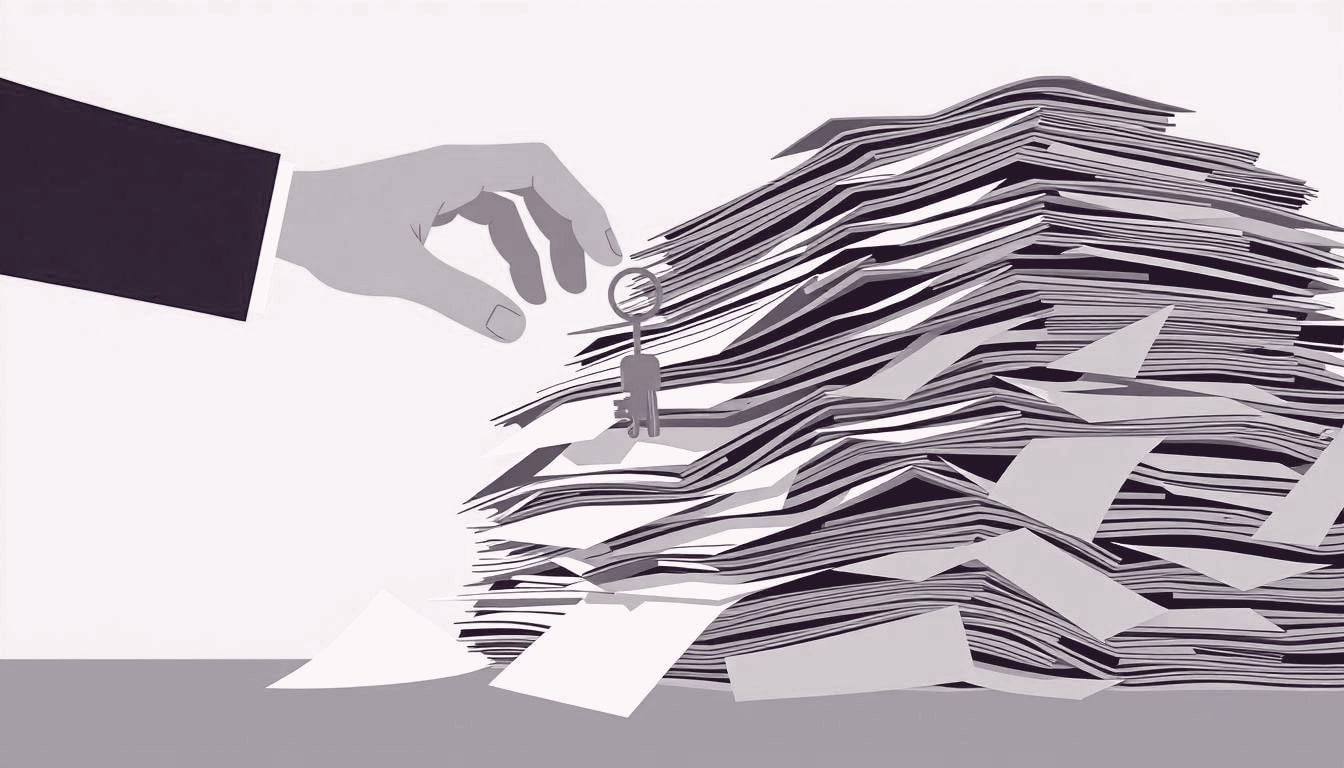
Jordan works as a project manager at a fast‑growing tech firm. The inbox never stops, meetings fill the calendar, and deadlines loom. In the rush, Jordan often puts the car keys in the fridge, forgets a lunch appointment, or walks into a room without a clear purpose. These moments feel embarrassing, but they are also a signal that the brain is handling more information than it can comfortably store.
Most people think that forgetting simple things is a sign of laziness or a failing memory. In reality, the brain works like a busy highway. When too many cars try to travel at once, traffic slows and accidents happen. The same thing occurs in the mind when we try to juggle many tasks, decisions, and details at the same time.
A Day in the Life of a Busy Professional
Jordan’s day begins with a quick scan of emails. Each message demands a response, a decision, or a forward to a teammate. By mid‑morning, a series of short meetings pop up on the screen. While listening, Jordan also tries to remember a grocery list, a birthday reminder, and a deadline for a client proposal. The brain stores each item in short‑term memory, but that space is limited.
As the afternoon rolls on, new requests arrive. A colleague asks for data, a client calls with a change, and a calendar invite appears for a networking event. Jordan’s mind shifts quickly from one priority to the next. Each shift adds a small load to the mental ledger. When the total load exceeds the brain’s comfortable capacity, simple slips become more likely.
At the end of the day, Jordan reviews the to‑do list. Some items are checked off, but a few remain fuzzy. The brain tries to store those unfinished tasks for tomorrow, adding to the mental pile that awaits the next morning. Without a clear way to unload, the load keeps building day after day.
Why Simple Tasks Slip When Your Brain Is Full
Cognitive load theory explains how the brain handles information. It says that working memory can hold only a few pieces of data at once. When we try to store more than that, the brain starts to drop the least important pieces. This is why a key can end up on the kitchen counter while we are thinking about a meeting agenda.
The brain also uses shortcuts called heuristics. These shortcuts help us make fast decisions, but they can also cause us to overlook details when we are busy. When the mind is juggling several projects, it may rely on habit rather than careful checking. That habit can lead to misplacing a phone, forgetting a name, or missing a deadline.
Research shows that the brain releases stress hormones like cortisol when it feels overloaded. These chemicals can make attention wobble and memory less sharp. Over time, frequent spikes can wear down the ability to keep track of details, even if you are otherwise healthy.
Take the Mental Overload assessment now to see how you’re doing.
Take the Mental Overload testCommon Myths About Forgetting Things
Myth one: Forgetting means you are getting older. Age can affect memory, but stress and overload affect people of any age. Even young adults can lose track of small items when their schedule is packed.
Myth two: You just need more willpower. Willpower helps with habits, but the brain still has limits on how much information it can hold at once. Trying to push past those limits often leads to more mistakes, not fewer.
Myth three: A bad memory is a permanent flaw. Memory works like a muscle that can be trained and rested. Giving the brain breaks, reducing multitasking, and organizing information can improve daily recall.
This trait is one of several measurable patterns this site has a short self‑assessment for, such as the Mental Overload test. By answering a few questions, you can see if mental overload is affecting you right now.
Another misconception is that multitasking improves efficiency. In fact, switching between tasks uses extra mental effort each time. The brain must re‑orient, which slows overall speed and raises the chance of forgetting a step. Focusing on one task at a time often yields better results with fewer slips.
Quick Checklist to Spot Overload
Use this short list to notice early signs of mental overload. 1. You forget where you placed everyday items like keys or glasses. 2. You miss appointments or need to double‑check your calendar. 3. You feel a tightness in your head after a long meeting. 4. You find yourself rereading emails because you can’t hold the main point. 5. You feel irritable when asked to switch tasks quickly.
If you answer yes to three or more items, it is a good idea to pause and reset. Take a short walk, write down the tasks you need to finish, and limit new inputs for a while. Simple steps like these can free up working memory and keep small mistakes from piling up.
Try a simple habit of writing down every new request as soon as you hear it. Keep a small notebook or a digital note on your phone. By moving the information out of your head, you free space for the tasks you are already handling.
Take the Next Step
Understanding that mental overload is a common, normal response can reduce the shame you might feel. It also gives you a clear path to manage the load. Small changes in routine, better organization, and regular breaks can make a big difference in how often you misplace items or miss meetings.
One practical tip is to set a specific spot for keys, wallet, and phone. When you always place them in the same drawer or bowl, you reduce the chance of misplacing them. Consistency creates a small habit that lightens the mental load.
Take the Mental Overload assessment now to see how you’re doing.
Take the Mental Overload assessment now to see how you’re doing.
Take the Mental Overload test