When a Friend Cries: How to Keep Calm
4 min read
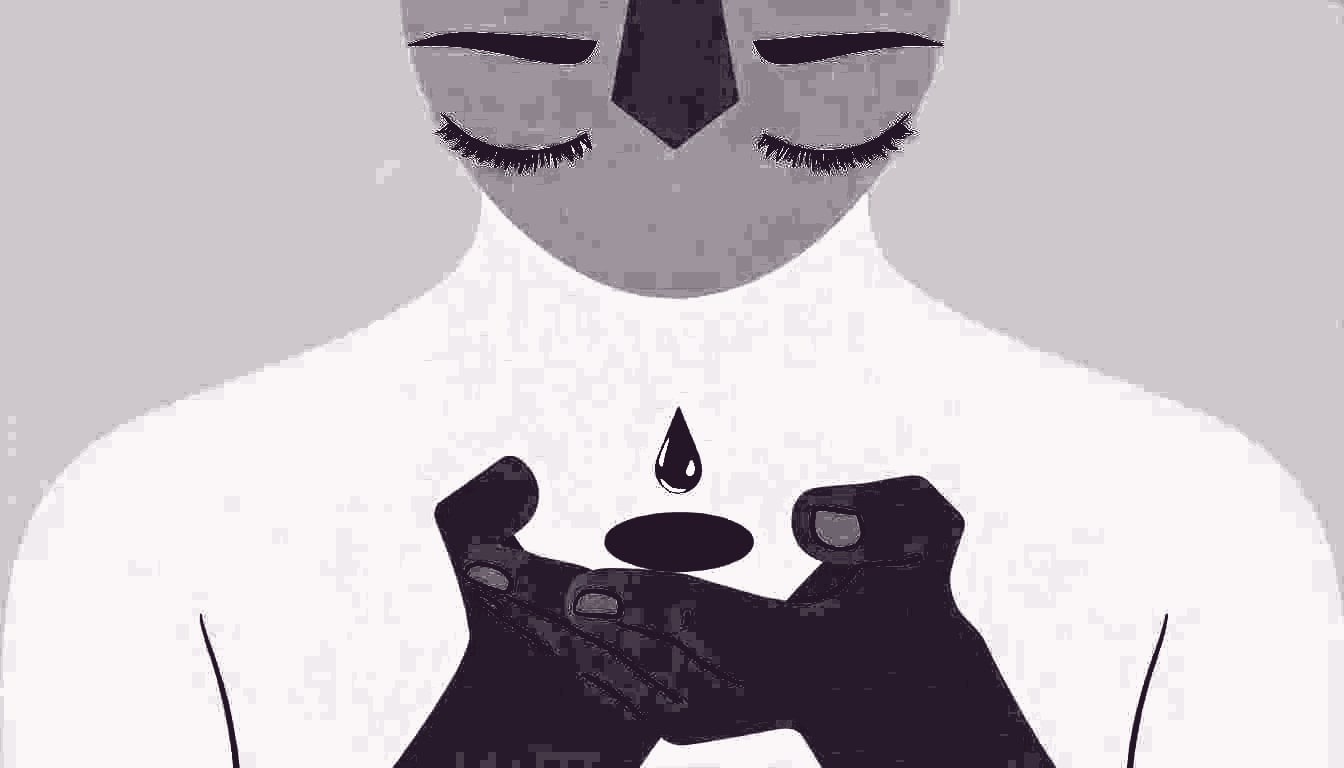
When a friend starts to cry, you may feel a sudden rush of sadness. Your heart may beat faster and your thoughts can race. You might want to hug them right away or say the perfect words. At the same time, you may notice a tight feeling in your chest or a knot in your stomach. These reactions are normal signs that you are picking up on their pain. They show that you care, but they can also feel overwhelming. You can still be a caring friend while protecting your own peace. Remember, caring for yourself is the first step to caring for others.
Feeling this way does not mean you are weak or that you lack boundaries. It simply means your brain is wired to share emotions with people you trust. When you see a loved one in distress, your nervous system mirrors their feelings. This mirror response can help you understand what they need. At the same time, it can drain your own energy if you do not pause. Learning a few simple steps can keep you supportive while protecting your own well-being. Simple habits make the difference between feeling drained and feeling refreshed after helping.
What Is Empathy Overload?
Empathy overload shows up as strong physical and mental signals. You may feel tears welling up even though you are not the one crying. Your breathing can become shallow, and you might feel a heaviness in your shoulders. Thoughts about the situation can crowd your mind, making it hard to focus on anything else. You might also notice irritability or a sudden urge to withdraw after the moment passes. These cues tell you that your inner balance is shifting. When you notice these signs, you can choose a step to calm yourself.
Another sign is mental fatigue after a short conversation. You may find yourself replaying the words you heard, trying to solve the problem in your head. This can lead to a feeling of being stuck or exhausted even if the talk was brief. Notice if you start to feel numb or if you avoid future talks with that friend. Recognizing these patterns early helps you choose a healthier response. Awareness lets you stay present with your friend without losing your own footing.
Why It Happens
The brain has a built-in system called mirror neurons. When you watch someone feel strong emotions, these neurons fire as if you were feeling them yourself. This helps humans bond and cooperate. At the same time, the system does not turn off automatically. If you are already stressed, the mirror response can become louder, making you feel the other person's pain more intensely. A few minutes of quiet can help the mirror response settle down.
Personal history also plays a role. If you have cared for others a lot in the past, your brain may be tuned to pick up subtle cues. You may feel a sense of responsibility to fix the situation. That sense can add pressure, especially when you have limited time or energy. Knowing these reasons helps you see that the feeling is a normal reaction, not a flaw. Reflecting on these triggers can guide you to healthier coping habits.
Take the Empathy Quotient test now to learn more about your empathy style.
Take the Empathy Quotient testThree Quick Self-Care Actions
First, pause and breathe. Take a slow, deep breath in through your nose, hold for a couple of seconds, then exhale gently through your mouth. Repeat this three times. The pause gives your nervous system a chance to reset, and the breath signals your body that you are safe. It also creates a small space between you and the emotion, so you can think more clearly. Your breath also signals calm to your brain, easing the stress response.
Second, set a gentle boundary. Let your friend know you are there, but also share a brief limit, such as "I can stay for ten minutes, then I need to finish a task." This honest cue protects your energy and shows respect for both of your needs. It does not mean you care less; it simply keeps the interaction balanced. A clear limit shows you respect both your own needs and your friend's feelings.
Keeping Balance Over Time
Regular self-check-ins can stop overload before it builds. After a tough conversation, ask yourself how you feel physically and emotionally. If you notice lingering tension, use a grounding technique like feeling your feet on the floor or holding a cool object. Small habits like these keep your empathy strong without draining you. These checks become a habit that supports you even on busy days.
This site offers a short self-assessment that measures empathy as one of several measurable patterns. The Empathy Quotient test can give you a snapshot of how you respond to others' feelings. Knowing your score can guide you toward the right self-care tools and help you track progress over weeks or months. Your results can also suggest resources that match your empathy style. Revisiting the test after a few weeks can show you how your empathy grows.
When To Reach Out For More Help
If you find that feeling overwhelmed happens often, or if it starts to affect your sleep, mood, or daily tasks, consider talking to a mental-health professional. They can help you explore deeper patterns and teach coping skills tailored to your situation. Early help can prevent burnout and keep your relationships strong.
Support groups or trusted friends can also provide relief. Sharing your experience in a safe space lets you see that many people face similar challenges. You do not have to manage everything alone; reaching out is a sign of strength. You deserve support just as much as anyone you help.
Take the Empathy Quotient test now to learn more about your empathy style.
Take the Empathy Quotient test