Why Freelancers Find It Hard to Switch Off
6 min read
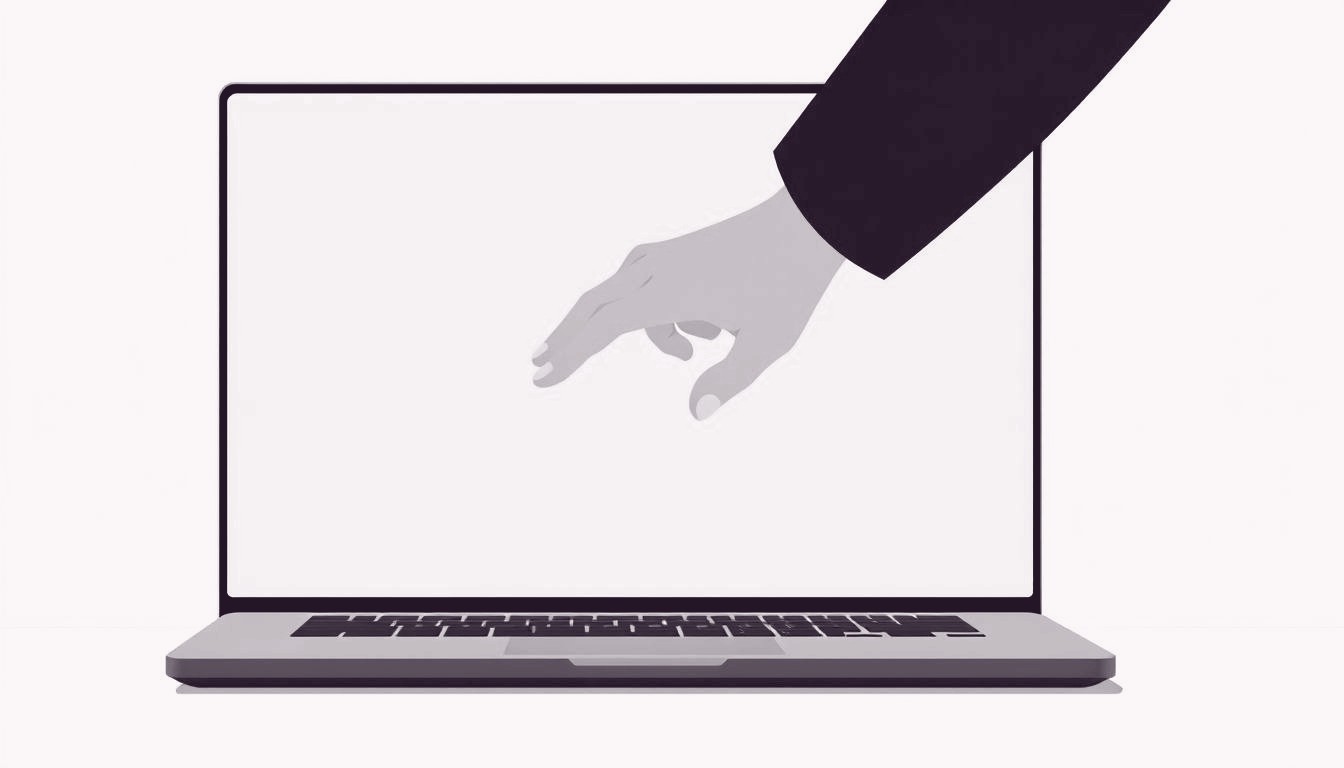
Freelancers enjoy flexibility. They can choose when to start a project, where to work, and how to pace themselves. That freedom also means the workday can stretch into personal time. Without a boss or a clock to signal the end, many find it hard to stop thinking about tasks. Emails, invoices, and client messages keep popping up. The line between work and home blurs, and stress can follow.
No Physical Door to Close
In a traditional office you walk through a door and leave the space behind you. That act tells the brain the work day is over. Freelancers lack that clear exit point. Their desk may sit in the kitchen, and the laptop stays on the couch. When the work area is also the relaxation area, the brain receives mixed signals. It stays ready to respond to a new request, even late at night.
Because the environment never changes, the mind keeps running. A simple visual cue, like a closed laptop lid, can help, but many forget to use it. The result is a constant mental loop of deadlines, proposals, and client feedback. Over time this loop can drain energy and make it hard to enjoy free time.
The Myth of Simple Boundaries
Advice often says, "Set clear boundaries." For a freelancer, that advice feels abstract. There is no manager to enforce a 5 p.m. stop, and clients may expect rapid replies. The fear of losing work or appearing unprofessional pushes many to stay online longer than they should. This pressure makes the idea of a hard stop feel risky, not helpful.
In reality, boundaries need to be built into daily habits, not just stated as a rule. They must work with the reality of a fluid schedule. A boundary that cannot be kept will cause guilt and stress. That is why many freelancers say the tip works for office workers but falls short for them.
Ready to see how balanced your day feels? Take the Life Balance assessment now.
Take the Life Balance testHabits That Signal the End of Work
One practical habit is a shutdown checklist. At the end of the day, write down what was finished, what needs follow‑up, and the next step for each project. Then close the laptop, turn off work notifications, and put the checklist somewhere visible. This ritual tells the brain that the work session is complete and that the next day will start fresh.
Another habit is a timed alarm. Set a gentle sound for the time you want to stop working. When it rings, stand up, stretch, and move to a different room. Changing your physical location reinforces the mental shift. A third habit is a simple clothing change, swap out work‑only shoes or a hoodie for something comfortable. The act of changing clothes creates a clear cue that the work day has ended.
Measuring Your Balance
These habits are easier to keep when you know where you stand. This trait is one of several measurable patterns this site has a short self-assessment for. The Life Balance assessment gives you a quick snapshot of how well you separate work and personal time. It can highlight areas where a new habit might make a big difference, and it shows progress as you try new routines.
The assessment is short and private. It asks about typical work hours, break habits, and how often you feel ready to relax after work. After you finish, you receive a simple score and a few suggestions. Use those suggestions to fine‑tune the habits you already practice. Over weeks, you may notice less lingering stress and more energy for hobbies and family.
Keeping the Routine Fresh
Habits can become stale if you never revisit them. Take a few minutes each week to look at your shutdown routine. Ask yourself if the checklist still feels useful, if the alarm time matches your workload, or if the clothing cue still works. Small tweaks keep the routine effective and prevent it from feeling like a chore.
Also, celebrate small wins. When you manage to stop work on time for a whole week, note the positive impact on your mood. Sharing the success with a fellow freelancer can reinforce the habit. By regularly checking in with yourself, you create a flexible system that adapts as projects change, helping you keep a healthier balance over the long run.
Ready to see how balanced your day feels? Take the Life Balance assessment now.
Take the Life Balance test