How Adaptability Shows Up With Loved Ones
4 min read
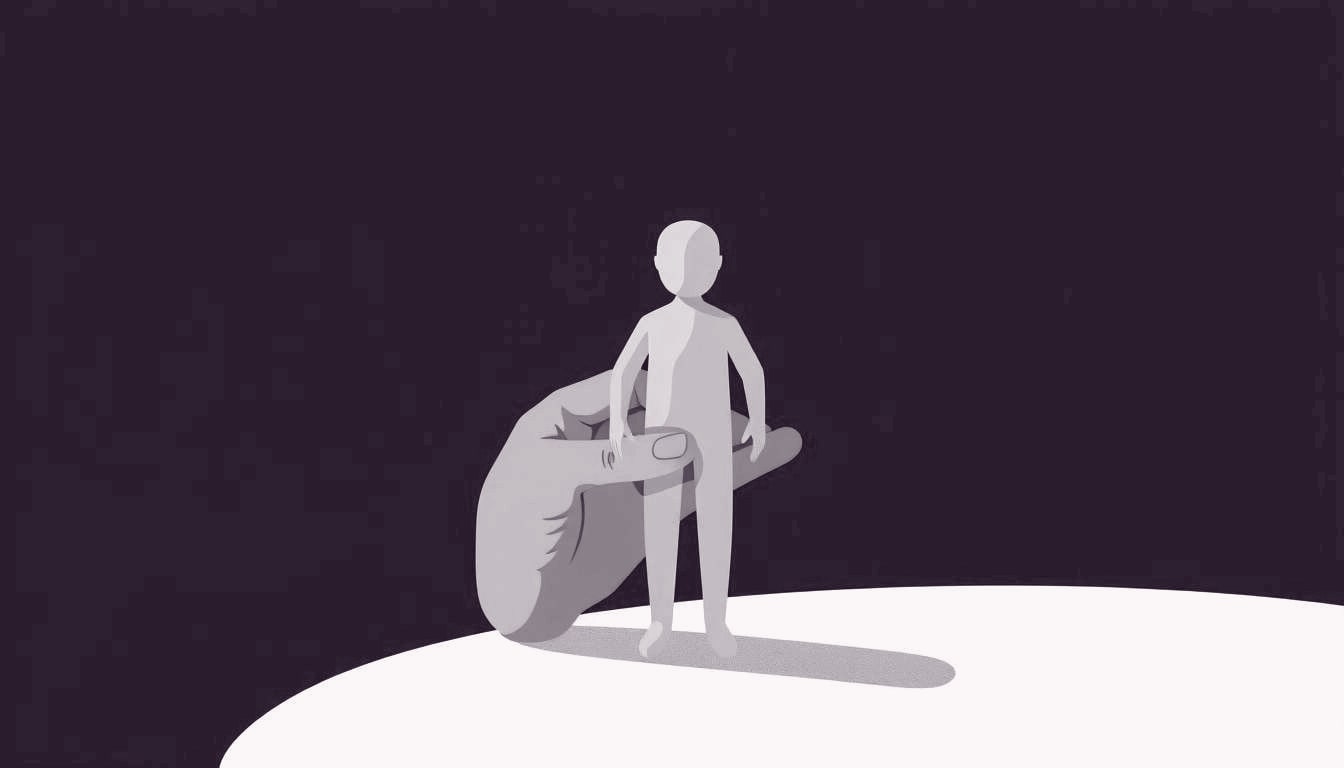
Adaptability and change are part of every day life. We all meet moments that need a quick shift. In close relationships, these moments can feel bigger. How we respond can shape how loved ones see us. Some people move with ease, others feel unsettled. The pattern shows up in tiny choices and big decisions alike. Noticing it can help us understand our own habits. It can also help us see why others act the way they do. This article looks at three common circles: a partner, friends, and family.
When the pattern appears, it often brings up strong feelings. One person may see a shift as an adventure, while another feels a loss of control. Those feelings are normal. They do not mean anyone is wrong. They simply reflect different comfort levels with uncertainty. By learning the shape of this pattern, we can find ways to stay connected even when plans move. The goal is not to change the other person, but to share space for both views.
When plans shift with a partner
Imagine you and your partner have planned a quiet Saturday at home. A sudden rainstorm forces you to cancel the movie night and drive to a nearby museum instead. You feel a spark of excitement about the unexpected art exhibit. Your partner, however, sighs and says the night was meant for rest. The change feels like a small inconvenience to you, but a bigger disruption to them. Both reactions are tied to each person’s adaptability style.
From your partner’s side, the original plan was a chance to unwind after a busy week. The rain feels like a reminder that the week’s stress is still present. The new museum trip adds extra travel and sensory input, which can feel overwhelming. They may wonder why you are ready to jump into something new while they just wanted calm. Recognizing that the same event triggers different needs helps keep the conversation gentle.
Friends and spontaneous outings
A close friend texts you about a last‑minute road trip to the beach. You love the idea of sand, sun, and a quick escape. You say yes right away, feeling the thrill of spontaneity. Your friend, however, hesitates. They have a work deadline and a family dinner that evening. For them, the invitation feels like pressure to drop responsibilities. The same invitation looks like fun to you and a stress point to them.
Your friend may wonder why you seem so comfortable changing plans on a whim. They might worry you don’t respect their schedule. At the same time, you may feel puzzled that they can’t join the adventure. Both of you are acting from your own adaptability patterns. Seeing the scene as a clash of styles, rather than a personal slight, opens space for empathy. You can ask what would make the idea work for both of you.
Discover how you adapt by taking the short self‑assessment now.
Take the Adaptability & Change testFamily gatherings and old routines
Family holidays often come with set traditions. Your grandparents expect a big dinner on Sunday, with each child bringing a favorite dish. This year, a sudden illness forces the family to move the celebration to a weekday and order takeout. You adapt quickly, suggesting a video call for the toast. Your aunt, however, feels the shift breaks a cherished ritual. She worries the family bond will weaken if the routine changes.
Both reactions are rooted in each person’s comfort with change. Some family members thrive on flexibility, while others hold tightly to familiar patterns. This trait is one of several measurable patterns this site has a short self‑assessment for. Knowing where you fall on the adaptability scale can give you language to discuss these moments without blame. It also helps you see that the tension is not about love, but about how each of you handles surprise.
Why the same pattern feels different
The same shift can feel like freedom to one person and a loss to another. This happens because each of us has a personal history with change. Past experiences shape how safe we feel when plans move. If you have learned that change often brings growth, you may welcome it. If a friend has faced sudden loss after unexpected changes, they may view new plans with caution. Both views are valid and come from lived experience.
Understanding the why behind each reaction reduces frustration. It moves the focus from “you are being difficult” to “this is how we each process surprise.” When you see the pattern as a difference in coping style, you can ask open questions. For example, “What would make this change feel easier for you?” or “How can we keep the spirit of the tradition while being flexible?” Such questions invite collaboration instead of conflict.
A simple conversation starter
When you notice a change pattern affecting a loved one, try a brief, caring script. Start with a statement of observation, then express curiosity. For instance: “I saw that the rain‑forced museum plan made you feel uneasy. I’d like to understand what helped you feel more comfortable.” Keep the tone gentle and avoid blame. This format shows you respect their experience and opens a path for joint problem solving.
After you share your thoughts, give the other person space to answer. Listen without interrupting, and repeat back what you heard to check accuracy. If both of you see the pattern, you can decide together how much flexibility feels right for the situation. Small adjustments, like setting a backup plan or agreeing on a check‑in time, can turn a potential clash into a shared adventure. Over time, these conversations build trust and make future changes smoother for everyone.
Discover how you adapt by taking the short self‑assessment now.
Take the Adaptability & Change test